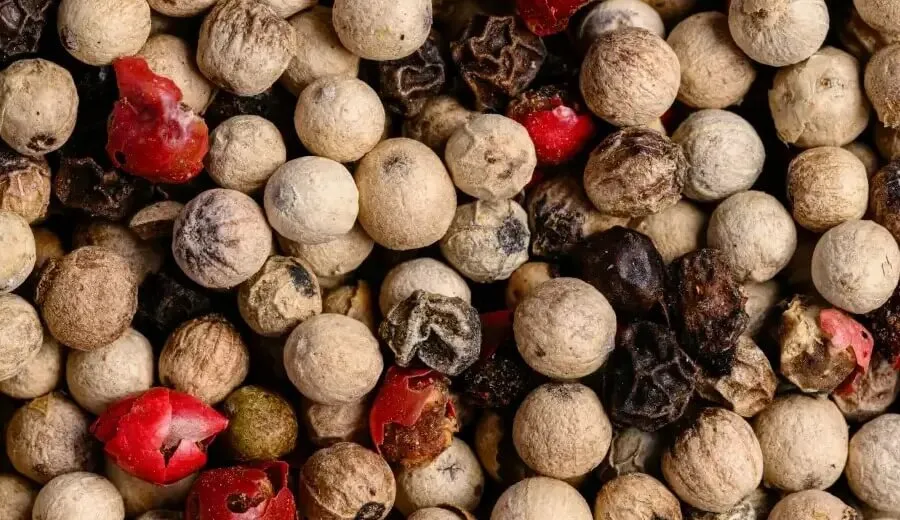
Verifying sterilization and microbial testing protocols is the primary challenge when sourcing herbs in bulk. Nutrada lists GFSI-certified herbs suppliers filterable by processing form, certification, and MOQ. Suppliers cover culinary herbs, botanicals, and spices from India, Turkey, Egypt, and European origins.
| Value | Description |
| Processing forms | Whole, cracked, ground, cut & sifted, tea cut, standardized extracts |
| Applications | Seasoning blends, herbal teas, dietary supplements, food manufacturing, beverage formulations |
| Certifications | EU Organic, USDA Organic, BRC, IFS, FSSC 22000, Kosher, Halal, FairTrade |
| Packaging | 10kg, 15kg, 25kg multilayer bags, drums, cartons with inner liners |
| MOQ range | 100kg to 1,000kg depending on product and origin |
| Category | Herbs & Spices |
The herbs and spices category on Nutrada covers culinary herbs, medicinal botanicals, and functional spices across whole, cut, and powder forms. Supply depth is strongest for high-volume items including turmeric, ginger, cinnamon, chamomile, peppermint, and black pepper, with more limited availability for niche Ayurvedic botanicals and specialty extracts.
| Form/Type | What it means for procurement | Typical application |
| Whole | Lower surface area reduces oxidation risk; requires cleaning and cutting equipment downstream | Herbal tea blends, food service packs, extract production |
| Cut & sifted | Pre-cut to specified mesh size (e.g. 3mm, 5mm, 10mm); easier to blend but higher contamination risk during processing | Tea sachets, seasoning blends, infusion mixes |
| Ground/powder | Maximum surface area increases microbial and oxidation risk; often steam-sterilized post-grinding | Food manufacturing, spice blends, encapsulated supplements |
Herbs are hygroscopic and degrade under light and oxygen exposure. Buyers must confirm the supplier stores dried herbs in cool, dark, low-humidity conditions before shipment. Packaging typically uses multilayer kraft bags with polyethylene inner liners, aluminum-lined pouches for light-sensitive botanicals, or fiber drums for ground forms exceeding 25kg.
Suppliers on Nutrada document moisture content, mesh size, and sterilization method per batch. Buyers must verify that steam sterilization temperatures did not exceed the volatility threshold for essential oils. Microbial limits (total plate count, yeast and mold, coliforms, Salmonella) must align with EU Regulation 2073/2005 for herbs entering food chains.
India, Turkey, Egypt, and Albania supply the majority of EU Organic and USDA NOP certified culinary and Ayurvedic herbs. Dual certification (EU + USDA) is common for high-demand items including turmeric, ginger, cinnamon, chamomile, and peppermint. Supply depth for organic niche botanicals (shatavari, mucuna, brahmi) varies by harvest season.
Suppliers pack herbs for retail in glass jars, stand-up pouches, sachets, tins, and stick packs with multilingual labels. Buyers specify cut size, blend ratios, and packaging material before production begins.
MOQ for private label herb packs typically starts at 500 units per SKU, compared to 100kg for bulk orders.
Herb manufacturers are based in India, Turkey, Egypt, Spain, Poland, and Albania, where drying and sterilization infrastructure supports high-volume processing. Buyers must request batch-level test reports for pesticide residues, heavy metals (lead, cadmium, arsenic), and microbial contamination before committing to orders.
Nutrada lists GFSI-certified herbs suppliers covering whole, cut, and powder forms across conventional and organic qualities. All orders are placed directly with certified suppliers, with no intermediary.
Further reading:
Last updated: Apr 7, 2026

Find the right supplier for your food ingredients in under a minute with Nutrada. Nutrada - Sourcing made easy.