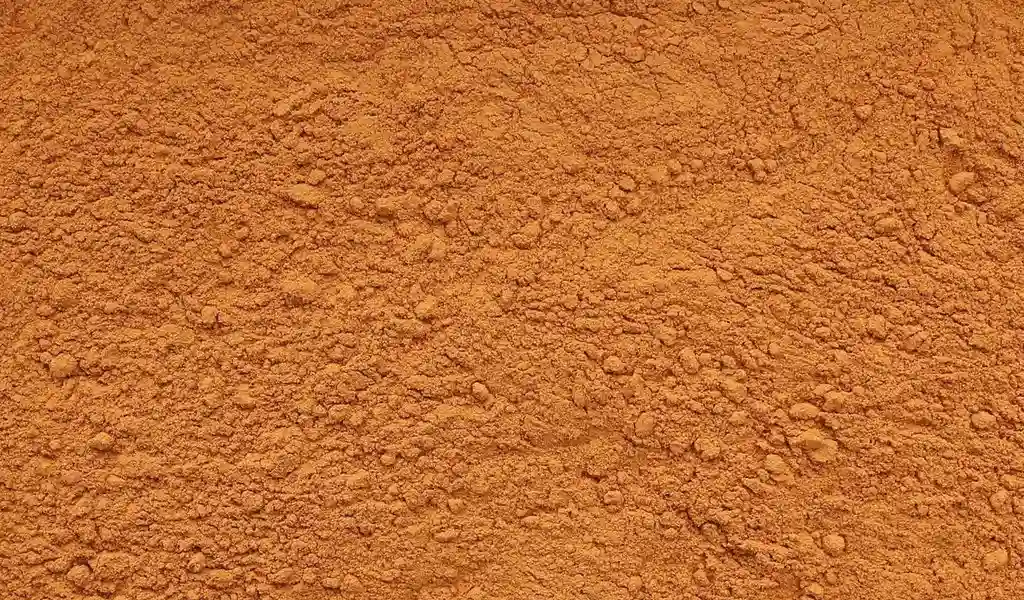
Find GFSI-certified cinnamon suppliers on Nutrada offering powder, whole quills, and chips from Sri Lanka, Indonesia, Vietnam, and China. Procurement teams sourcing bulk cinnamon must verify the botanical identity: Cinnamomum verum (Ceylon) vs Cinnamomum cassia, since coumarin content ranges from <0.02% in Ceylon to 0.4–0.8% in Cassia, a specification that affects regulatory compliance in EU markets.
| Value | Description |
| Botanical name | Cinnamomum verum (Ceylon), Cinnamomum cassia (Cassia) |
| Available forms | Powder, whole sticks (quills), bark chips, broken pieces, essential oil |
| Origins | Sri Lanka, Indonesia, Vietnam, China, India, Madagascar |
| Certifications | GFSI, EU Organic, USDA Organic, Fair Trade, Kosher |
| Common applications | Bakery, confectionery, breakfast cereals, spice blends, nutraceuticals |
| Packaging | 10–25 kg multi-ply paper bags, polypropylene woven bags, fiber drums |
| MOQ | 100–500 kg |
| Category | Herbs Wholesale |
| Form/Grade | What it means for procurement | Typical application |
| Ceylon quills | Coumarin content <0.02%, graded by quill diameter (Alba, Continental, Mexican, Hamburg), commands premium pricing | Daily-use wellness products, premium teas, health-conscious formulations requiring low coumarin |
| Cassia sticks | Coumarin content 0.4–0.8%, thicker bark, bold flavor, lower cost than Ceylon | Commercial baking, mulled beverages, spice blends requiring strong cinnamon flavor |
| Powder (Ceylon or Cassia) | Shelf life 6–12 months vs 3–4 years for whole sticks, requires batch-specific coumarin testing for EU compliance | Industrial bakery mixes, breakfast cereals, seasonings where reconstitution is not required |
Mislabeling is common in cinnamon supply chains, Cassia is often sold as Ceylon. For Ceylon cinnamon varieties and grading standards, see the further reading section below.
Sri Lanka holds Protected Geographical Indication status for Ceylon cinnamon in the EU and is the only certified producer of Cinnamomum verum. Sri Lankan Standards Institution SLS 81 defines moisture content (10–12%) and volatile oil content specifications for export-grade Ceylon quills.
Indonesia and Vietnam supply the majority of European Cassia cinnamon, with Indonesian production concentrated in Sumatra where harvest windows align with dry-season bark peeling cycles.
China produces Cassia cinnamon in Guangxi and Guangdong provinces, with cinnamaldehyde content reaching 0.4% in dried bark. Madagascar supplies organic-certified Ceylon cinnamon for niche European buyers, though supply depth is limited compared to Sri Lankan origin.
Lead contamination has been detected in certain Cassia batches from unverified suppliers, batch-specific heavy metal testing certificates are non-negotiable for EU food safety compliance.
Cinnamon is hygroscopic and must be stored in moisture-barrier packaging to prevent clumping and volatile oil degradation. Suppliers ship in 10–25 kg multi-ply paper bags, polypropylene woven bags, or fiber drums on palletized loads.
Cinnamon Powder has a shelf life of 6–12 months compared to 3–4 years for whole quills, a factor that affects reorder frequency and warehouse turnover. Buyers must confirm coumarin test results per batch when sourcing for EU markets, as regulatory limits vary by daily intake assumptions and pepper or ginger blends may dilute coumarin concentration in finished products.
Sri Lanka, Madagascar, and India hold EU Organic and USDA NOP certifications for Ceylon cinnamon. Indonesia supplies organic-certified Cassia cinnamon, though supply depth is limited compared to conventional batches. Dual-certification (EU Organic + USDA NOP) is available from Sri Lankan suppliers for Ceylon quills, a specification that simplifies multi-market distribution for brands exporting to both regions.
Suppliers on Nutrada offer private label cinnamon in spice jars, stand-up pouches, sachets, and retail tins for Ceylon or Cassia powder and whole quills.
The MOQ for private label starts at 500–1,000 units, higher than bulk orders due to packaging line setup costs. Buyers must specify botanical identity (Ceylon vs Cassia) and coumarin test requirements before production starts, as these specifications cannot be reversed after labeling.
Cinnamon manufacturers are based in Sri Lanka, Indonesia, Vietnam, and China, with processing facilities located near harvest regions to minimize volatile oil loss during transport. Documentation to request includes batch-specific CoA with coumarin content, heavy metal test results (especially lead), moisture content analysis, and cinnamaldehyde percentage.
Nutrada lists GFSI-certified cinnamon suppliers from Sri Lanka, Indonesia, Vietnam, and China, covering powder, whole quills, and bark chips across conventional and organic supply. All orders are placed directly with certified suppliers, with no intermediary.
Further reading:
Last updated: Apr 6, 2026

Find the right supplier for your food ingredients in under a minute with Nutrada. Nutrada - Sourcing made easy.