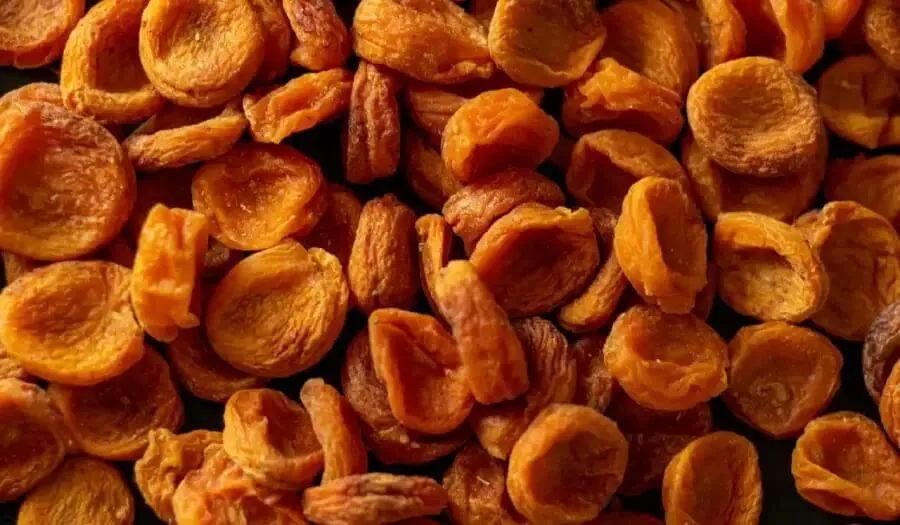
Dried fruit procurement comes with specific quality risks that vary by product and origin: sulfite content for color preservation, sugar levels in infused products, and contamination risks including aflatoxin and pesticide residues. Suppliers on Nutrada are GFSI-certified and list processing method, sulfur dioxide levels, moisture content, and sugar specifications per product. Filter by origin, certification, grade, and MOQ to compare suppliers and request bulk wholesale quotes directly.
| Product range | Raisins, apricots, dates, figs, mango, cranberries, prunes, and more |
| Available forms | Whole, pieces, powder |
| Processing methods | Sun-dried, air-dried, tunnel-dried, infused |
| Key origins | Turkey, Tunisia, California, Greece, Iran, Philippines, Canada, Uzbekistan |
| Certifications | GFSI (BRC, IFS, FSSC 22000), EU Organic, USDA NOP, Fairtrade, Halal, Kosher |
| Packaging | 5 kg to 25 kg bags, boxes, and fiber drums |
| Category | Dried Fruits |
| Also Available As | Frozen Fruit, Freeze-Dried Fruit |
Dried fruits sourced through Nutrada include whole fruits, pieces, powders, and infused varieties used in cereal, bakery, snack, confectionery, and foodservice applications. Suppliers cover the following products:
Moisture content is the primary quality variable in bulk dried fruit: too high and the product clumps and molds; too low and texture and yield suffer. Confirm moisture specifications per product before committing to volume: raisins typically 14 to 16%, apricots 20 to 24%, dates 18 to 23%.
Standard packaging is 10 kg to 25 kg cartons or polypropylene bags, with pallet configurations available for full container orders. Request aflatoxin and pesticide residue test reports alongside GFSI documentation, particularly for Turkish apricots, Iranian raisins, and products from high-humidity origins.
EU Organic and USDA NOP certified dried fruit is available across the main categories: raisins and apricots from Turkey, dates from Tunisia and California, figs from Turkey and Greece, mango from the Philippines and India, and cranberries from Canada. Before ordering, check that the certificate of analysis covers the harvest year you are procuring.
Common private label formats for dried fruit are resealable pouches from 100 g to 1 kg, mixed fruit blends, and coated or infused varieties for premium snack retail. Before approving production specifications, confirm whether your formula permits added sulfur dioxide, as this affects label claims and retail distribution in clean-label channels. Also, confirm size and grade: for apricots and figs especially, retail grade and food manufacturing grade are not interchangeable and will affect the final unit price significantly.
Europe produces less than 10% of the dried fruit it consumes, making the category almost entirely dependent on imports according to CBI market data. Primary processing takes place close to origin: Turkey and Iran for raisins, apricots, and figs; Tunisia and Iran for dates; the US (California) for prunes, raisins, and cranberries; and Southeast Asia for mango and tropical varieties.
European importers handle EU compliance, pesticide MRL verification, and redistribution to food manufacturers. Direct-from-origin suppliers offer the best pricing and full harvest traceability; European-based importers offer shorter lead times and consolidated EU-format documentation.
Nutrada lists GFSI-certified dried fruit suppliers across raisins, apricots, dates, figs, mango, cranberries, prunes, and tropical varieties, covering conventional, organic, and no-added-sugar options.
On our website you will find various articles regarding different types of dried fruit, including:
Last updated: Apr 6, 2026

Find the right supplier for your food ingredients in under a minute with Nutrada. Nutrada - Sourcing made easy.