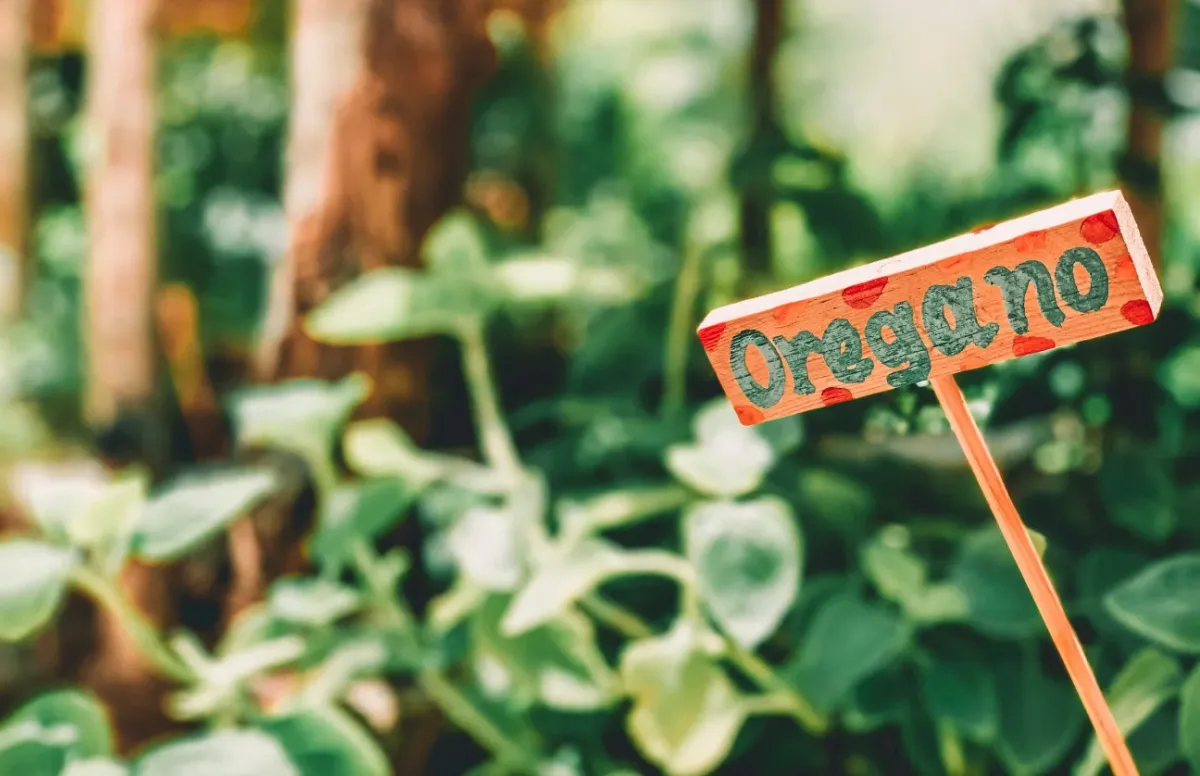
The oregano traded in European food manufacturing comes primarily from two species: Mediterranean oregano (Origanum vulgare) and Turkish oregano (Origanum onites).
Furthermore, Mexican oregano (Lippia graveolens) is botanically unrelated but used in similar applications. For procurement, the critical differences are carvacrol content (the compound responsible for oregano’s flavour intensity), origin, and adulteration risk: oregano is consistently ranked among Europe’s most fraud-prone spices.
In short:
Oregano has been flagged by the European Commission’s Food Fraud Network and the UK’s FSA as one of the most commonly adulterated herbs. Studies have found that roughly one in four dried oregano samples tested contained undeclared plant material: primarily olive leaves, myrtle, sumac, and cistus.
Adulteration is financially motivated: oregano trades at €4–10/kg at wholesale, while the adulterants cost a fraction. The visual similarity of dried, ground leaves makes detection difficult without laboratory testing.
To protect your supply chain:
This is not an abstract risk. Oregano adulteration is widespread enough that several European spice companies now run DNA authentication on every incoming batch as standard practice. The financial incentive is straightforward: premium Greek oregano trades at €8–12/kg, while dried olive leaves cost under €1/kg. When margins are that wide, fraud finds a way in, especially through intermediaries who may not even know their own upstream supply is compromised.
If you are sourcing ground or crushed oregano, treat every new supplier’s first delivery as high-risk regardless of their certifications. Send a sample to an independent lab for DNA testing before releasing the batch into production. The €100–200 test cost is insignificant compared to a product recall or loss of retailer confidence.
Oregano falls within the broader herbs and spices category. The first three species account for virtually all commercial trade:
| Type | Species | Origin | Essential Oil | Carvacrol |
| Greek oregano | O. vulgare subsp. hirtum | Greece (Epirus, Macedonia) | 2–4% | 60–80% |
| Turkish oregano | O. onites | Turkey (Aegean, Mediterranean coast) | 1.5–3% | 40–70% |
| General Mediterranean | O. vulgare (various) | Albania, Morocco, Spain | 1–2.5% | 30–60% |
| Mexican oregano | Lippia graveolens | Mexico, Central America | 2–4% | 50–70% |
Within Mediterranean oregano, the subspecies hirtum (often marketed as “Greek oregano”) has the highest prices due to superior essential oil content and carvacrol levels. Wild-harvested Greek oregano from mountainous regions is considered the gold standard for premium applications, though cultivated oregano from the same regions now represents the majority of supply.
Turkish oregano (O. onites) is the best commercial option. It offers a good flavour profile at a more accessible price point and is widely used in spice blends, frozen pizza seasoning, and processed food applications where maximum carvacrol intensity is not the priority.
Within the Mediterranean category, origin matters more than most buyers realise. Greek oregano from the mountainous Epirus and Macedonia regions consistently delivers higher essential oil content than oregano from lower-altitude Greek farms. Wild-harvested Greek oregano adds a further premium, though supply is limited and seasonal. For consistent year-round procurement, cultivated Greek oregano from certified farms is the practical choice, it still outperforms Turkish oregano on carvacrol content while offering more reliable supply volumes.
Mexican oregano is worth mentioning because it occasionally appears in European supply chains mislabelled as Mediterranean oregano. The two are not interchangeable: Mexican oregano belongs to the Verbenaceae family (not Lamiaceae), has different flavour compounds, and will change the taste profile of any product formulated with Mediterranean oregano in mind. Species verification testing catches this substitution.
Commercial oregano is graded primarily by leaf-to-stem ratio, particle size, essential oil content, and moisture level. While there is no universal grading standard, the industry commonly uses these parameters:
A practical grading note: the stem content specification is one of the easiest quality indicators to verify visually. Open a sample bag and spread a handful on a white surface. Grade A oregano should look like leaf fragments with minimal woody stems. If you see more than a few percent of stem material, the essential oil content will be lower than expected because stems contribute mass without contributing flavour. This takes 30 seconds and tells you immediately whether the grade matches what you ordered.
For premium applications requiring maximum flavour intensity, Greek oregano (O. vulgare subsp. hirtum) is preferred due to higher carvacrol content (60–80%). For spice blends and processed foods, Turkish oregano (O. onites) offers good quality at a lower price point. “Better” depends on the application.
Not directly. Mexican oregano (Lippia graveolens) has a different flavour profile, more citrusy and earthy, and comes from a different botanical family. Substituting one for the other will change the taste of the end product. Always confirm which species is required.
Properly stored dried oregano (below 12% moisture, airtight packaging, away from light and heat) maintains quality for 12–18 months. Essential oil content degrades over time, so prioritise recent harvests for maximum flavour.
The most reliable methods are DNA barcoding (identifies plant species present), microscopy (detects non-oregano leaf structures), and near-infrared spectroscopy (rapid screening). For ground oregano, request third-party authenticity reports as standard practice.
Find verified oregano suppliers with GFSI certification across Europe on Nutrada.


Find the right supplier for your food ingredients in under a minute with Nutrada. Nutrada - Sourcing made easy.