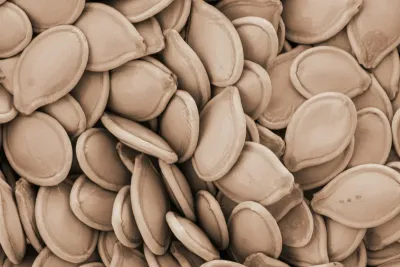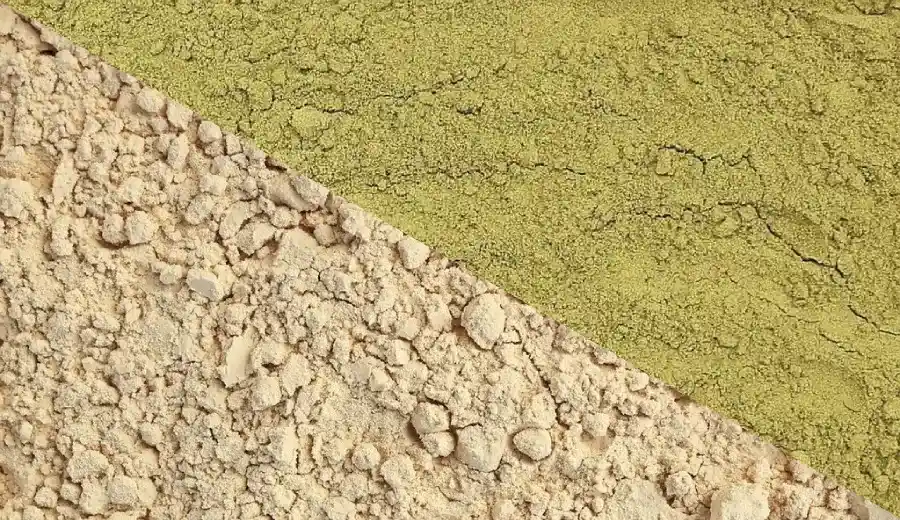
Hemp protein powder typically contains 50–70% protein and is extracted from the Cannabis sativa seeds by cold pressing and milling. Pea protein isolate reaches 80–85% protein, extracted from yellow split peas (Pisum sativum) via wet fractionation. For food manufacturers, the choice between them depends on protein content requirements, allergen status, flavour profile, and regulatory considerations.
In short:
The most important difference for formulators is protein concentration. Pea protein isolate delivers 80–85% protein on a dry basis, with some suppliers offering up to 87%. Hemp protein powder ranges from 50% to 70% depending on the degree of oil removal during pressing. Hemp protein concentrate, produced by additional processing, can reach 70–75% but is less commonly traded in bulk.
Hemp protein has an advantage in amino acid completeness. It contains all nine essential amino acids, including meaningful levels of methionine and cysteine: two sulphur-containing amino acids that are typically low in legume proteins. Pea protein is rich in lysine (7–8% of total protein) but low in methionine, which is why many formulators blend pea with rice protein to achieve a complete amino acid profile.
The 50–70% protein range for hemp is unusually wide, and it matters at the procurement level. The variation comes down to how much oil was removed during pressing. Suppliers offering hemp protein at the lower end (50–55%) are typically selling a by-product of hemp seed oil production, where maximising oil yield takes priority. Suppliers at 65–70% are running a dedicated protein extraction line with additional defatting steps. Ask which it is, the price difference should reflect the processing, and the functional properties in your formulation will differ.
Pea protein isolate dominates meat alternatives, protein bars, and ready-to-drink protein beverages. Its high protein content, relatively neutral taste, and good gelling properties make it the primary protein in products like plant-based burgers and sausages. In extrusion (TVP/HMMA), pea protein produces fibrous textures that approximate animal protein.
Hemp protein is more commonly used in nutritional powders, protein-enriched baked goods, and granola-type products where its earthy flavour is acceptable or desired. Its high fibre content (10–15%) adds functional benefits in bars and snack applications. Hemp protein does not gel or emulsify as effectively as pea protein, which limits its use in liquid formulations.
For protein blends, hemp and pea complement each other nutritionally. The combination improves the overall amino acid score compared to either protein alone, while the hemp component adds omega fatty acids and fibre that pea protein lacks.
One application area that is growing faster than most people realise is hemp protein in extruded snack products. The high fibre content (10–15%) actually helps with expansion in certain puffed snack formats, and the earthy flavour works with savoury seasonings. Several European snack manufacturers have launched hemp-enriched crisps and puffs in the past two years, positioning them as high-protein, high-fibre alternatives.
Pea protein is well-established across all major markets with no regulatory restrictions. It is ‘Generally Recognized As Safe’ (GRAS) in the United States and has a long history of use in the EU.
Hemp protein requires more careful navigation. In the EU, hemp-derived products from Cannabis sativa are permitted provided the THC content in the final product complies with national limits, typically below 0.2% THC in the raw plant material. Hemp protein powder itself contains negligible THC when properly processed, but suppliers must provide documentation confirming compliance.
Some EU member states have additional national requirements. Check the Novel Food Catalogue entry for hemp products before launching in new markets. In Germany, for example, hemp foods have been commercially available for decades, while other countries may require novel food authorisation for specific hemp-derived ingredients.
When sourcing, always request a Certificate of Analysis that includes THC and CBD levels in addition to standard nutritional and microbiological parameters.
The THC compliance point deserves emphasis. Even though properly processed hemp protein contains negligible THC, I have seen shipments held at European ports because the accompanying documentation did not include cannabinoid analysis. Some freight forwarders are unfamiliar with hemp food products and flag them by default. Build the THC/CBD certificate into your standard document set for every hemp protein shipment, it saves time and avoids unnecessary delays.
Pea protein isolate is the more competitively priced option in bulk, typically ranging from €3.50–€7.00/kg depending on organic certification, origin, and order volume. The market is well-established with large-scale producers in France and a deep supply chain.
Hemp protein powder trades at a premium, generally €5.00–€9.00/kg for conventional and €7.00–€12.00/kg for organic. Supply is smaller in scale, and pricing is more volatile because hemp cultivation is still scaling up in Europe. Lead times can be longer, particularly for organic-certified hemp protein.
For food manufacturers evaluating both ingredients, the decision often comes down to protein content requirements versus the marketing value of hemp as a “natural” ingredient with built-in consumer recognition for its nutritional profile.
Also comparing other plant-based proteins? See pea protein vs soy protein or protein isolate vs concentrate.
Yes. Hemp protein contains all nine essential amino acids. However, its lysine content is lower than pea protein, and its overall PDCAAS score (0.63–0.66) is below pea protein isolate (0.82–0.93). For formulations requiring a high PDCAAS score, blending hemp with pea or rice protein is common practice.
Not directly. Hemp protein has lower gelling and emulsification capacity, and its earthy flavour is more difficult to mask in savoury applications. It works better as a secondary protein in blends, contributing amino acids and fibre while pea protein provides the functional backbone.
Most European suppliers offer hemp protein starting at 100 kg to 500 kg for powder formats. Pea protein isolate is available in smaller quantities (from 20 kg bags) due to broader availability. MOQ varies by supplier and certification requirements.
Properly processed hemp protein contains negligible THC and no significant CBD. Always request a COA showing cannabinoid levels. EU-compliant hemp protein is produced from approved low-THC cultivars, and the extraction process (pressing, milling) does not concentrate cannabinoids.
Both are widely available in organic-certified grades. Hemp protein may offer a marketing advantage for organic brands because of consumer associations with sustainability. Pea protein offers better formulation flexibility. Availability and lead times for organic hemp can be tighter.
Compare certified protein suppliers across Europe on Nutrada. Filter by protein type, organic certification, and minimum order quantity.


Find the right supplier for your food ingredients in under a minute with Nutrada. Nutrada - Sourcing made easy.