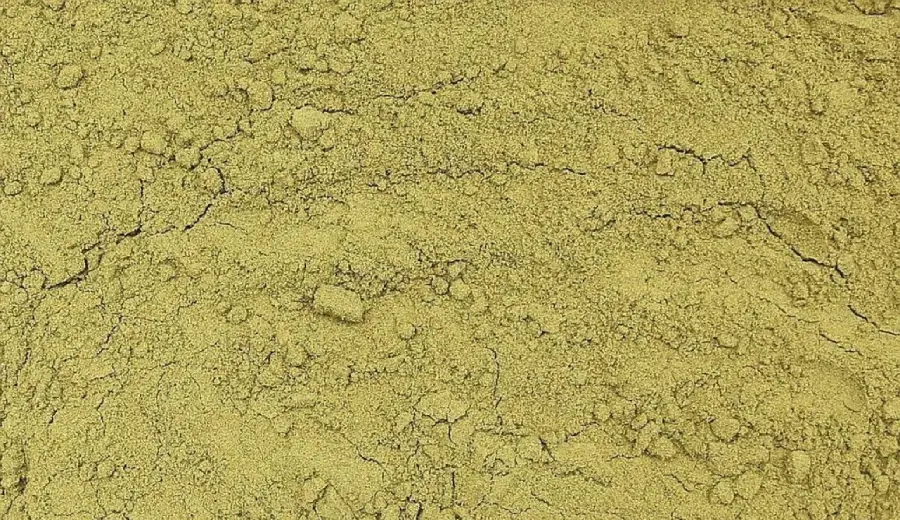
Filter GFSI-certified hemp protein suppliers on Nutrada by protein content (48% to 65%), origin, and certification. All suppliers of proteins can provide batch-specific CoA data and MOQ details so procurement teams can compare and request quotes directly.
| Value | Description |
| Botanical name | Cannabis sativa L. |
| Available forms | 50% protein powder, 60% protein powder, 75% protein powder |
| Origins | Canada, China, United States, France, Netherlands |
| Certifications | EU Organic, USDA NOP, Kosher, Halal, Gluten-free |
| Common applications | Protein supplements, bakery products, dairy-free alternatives, protein bars, smoothies |
| Packaging | 20-25 kg food-grade bags |
| MOQ | 20-25 kilogram |
| Category | Proteins |
Hemp protein is sold by protein concentration, which determines its application and nutritional profile. Higher protein grades have lower fiber content and lighter color.
| Form/Grade | What it means for procurement | Typical application |
| 50% protein powder | Co-product of cold-pressed hemp oil extraction; fiber content 17-20% | Bakery products, smoothies, fiber-fortified formulations |
| 60% protein powder | Further milled and sieved; fiber content 8-10% | Protein supplements, functional beverages |
| 75% protein powder | Wet extraction with polyphenol binding; darker color than dry-milled grades | Meat analogues, plant-based burgers |
Canada supplies the majority of EU hemp protein imports due to established GFSI infrastructure and year-round customs-cleared stock held by European distributors. Canadian suppliers typically offer both conventional and EU Organic certified product in 48-65% protein grades.
China produces the highest volume globally but EU buyers sourcing from China must verify heavy metal testing and non-irradiation status for every batch.
France and the Netherlands supply EU Organic hemp protein from regional harvests between August and October, with limited volumes available for Q1 delivery. United States supply has increased since 2018 regulatory changes but most US suppliers focus on domestic distribution rather than export.
Hemp protein absorbs moisture and loses protein solubility if stored above 65% relative humidity. Suppliers ship in 20-25 kg multi-wall kraft bags with inner polyethylene liner or food-grade plastic bags on pallets weighing 600-1000 kg.
Canada, France, and the Netherlands hold dual EU Organic and USDA NOP certification for hemp protein supply. Chinese suppliers offer EU Organic certified product but USDA NOP availability is limited to specific regional growers. Buyers requiring both certifications for global distribution should filter for dual-certified suppliers and verify certificate validity dates before placing orders.
Hemp protein is packaged for retail in stand-up pouches (250g, 500g, 1kg), jars, and single-serve sachets. The MOQ for private label starts at 500-1000 units depending on packaging format. Buyers must specify whether they require unflavored powder or a pre-flavored blend, as flavor addition changes the production timeline and adds production costs (mixing, weighing and processing).
Hemp protein manufacturers are based in Canada, France, Netherlands, and China, where industrial hemp cultivation is permitted under national regulations.
Buyers of hemp protein and hemp seeds should request batch-specific CoA including protein content, fiber content, THC levels, heavy metal analysis, and microbiological test results.
Nutrada lists GFSI-certified hemp protein suppliers from all major origins, covering 50-75% protein grades across conventional and organic supply. Pea protein and sunflower protein are also available on the platform for buyers comparing plant-based protein options. All orders are placed directly with certified suppliers, with no intermediary.
Further reading:
Last updated: Apr 6, 2026

Find the right supplier for your food ingredients in under a minute with Nutrada. Nutrada - Sourcing made easy.