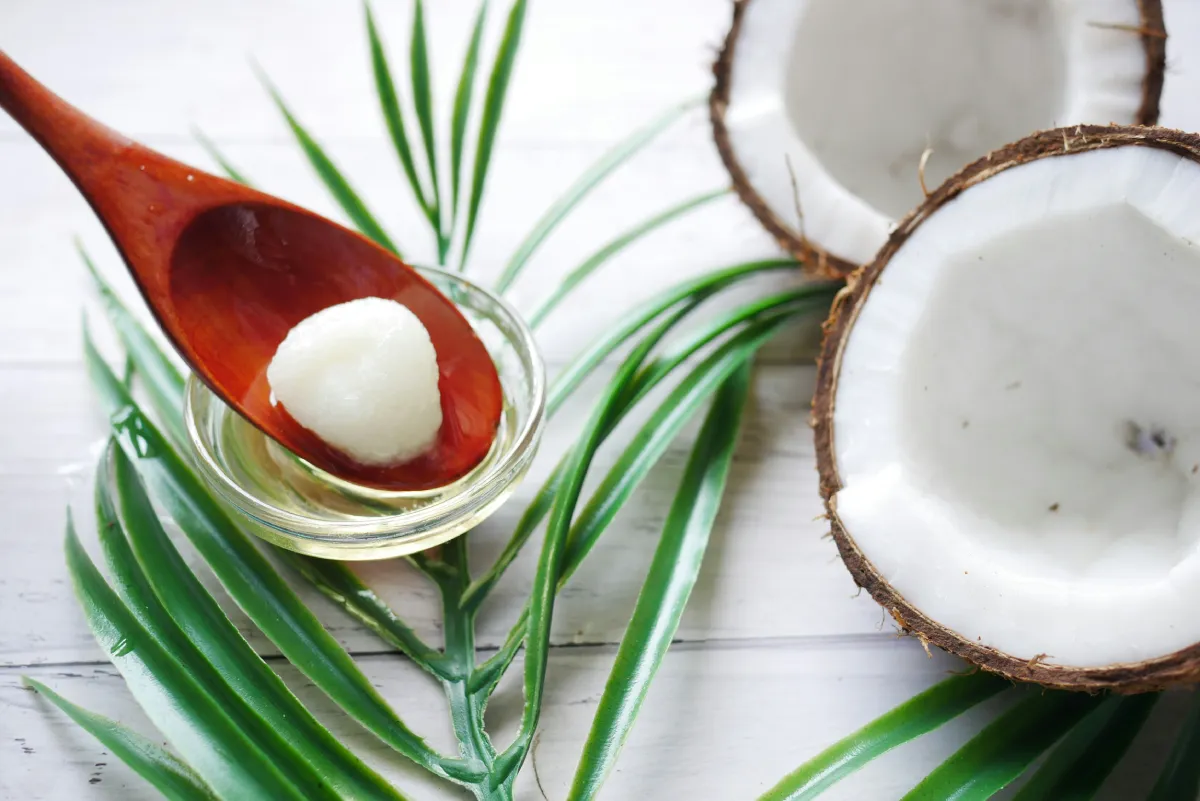
Coconut oil is commercially traded in four primary forms: virgin (VCO), refined/bleached/deodorized (RBD), fractionated, and MCT (medium-chain triglyceride) oil. Each undergoes different processing, has distinct physical properties, and serves different food manufacturing applications. Understanding these differences is critical for procurement; ordering the wrong type of coconut oil is a surprisingly common mistake, and one that creates reformulation delays and unnecessary cost.
In short:
The Codex Alimentarius standard for vegetable oils (CXS 210-1999) does not recognize an 'extra virgin' category for coconut oil. Coconut oil is commercially classified as either virgin or refined — there is no grading system within 'virgin' the way olive oil distinguishes between 'extra virgin' and 'virgin.' Any supplier using 'extra virgin' is adding a label claim with no standardized meaning. This was one of the first things we learned when we started trading coconut oil; the terminology confusion between olive oil and coconut oil costs buyers money.
Buy coconut oil in bulk from certified suppliers on Nutrada.
Choose VCO when: your product marketing depends on “virgin coconut oil” as a label claim, coconut flavor is desired (granola bars, coconut-flavored products, premium baking), or your target market is organic and natural-positioning.
Choose RBD when: you need neutral flavor (chocolate coatings, confectionery, frying applications), cost efficiency is a priority, or your production requires a higher smoke point. RBD coconut oil is the standard choice for confectionery coatings; it provides the sharp melting curve that makes chocolate snap without any coconut flavor interference.
The decision is almost always application-driven, not quality-driven. RBD is not “inferior” to VCO, it’s processed differently for different purposes.
MCT (medium-chain triglyceride) oil deserves special attention because it’s the fastest-growing coconut oil derivative, driven by demand from sports nutrition, ketogenic diet products, and functional beverages.
Pure MCT oil focuses on C8 and C10, though economy blends may include C12 (lauric acid). These are isolated from coconut oil or palm kernel oil through fractional distillation. The ratio of C8 to C10 determines the product tier:
| MCT Type | C8 (Caprylic) | C10 (Capric) | Application |
| C8-only | 95%+ | Under 5% | Keto supplements, premium beverages |
| C8/C10 blend (60:40) | 60% | 40% | Sports nutrition, meal replacements |
| C8/C10 blend (standard) | 50-55% | 45-50% | General functional food |
| C8/C10/C12 | 30-40% | 30-35% | Economy MCT products |
C8-only MCT oil has a 40-60% higher price because caprylic acid converts to ketones faster than capric acid; a meaningful differentiator for keto-positioned products. For general-purpose manufacturing where “contains MCT” is sufficient, the standard C8/C10 blend offers the best value.
Find MCT oil in bulk from certified producers through Nutrada with ease.
Free fatty acid (FFA) content is the freshness indicator for all coconut oil types. The APCC standard for VCO sets FFA max at 0.2% as lauric acid. The Codex standard CXS 210-1999 uses "acid value" (mg KOH/g), not FFA percentage directly, and its limits apply to all named vegetable oils generally, not coconut oil specifically. The APCC standard (0.2% max) is the most relevant benchmark for VCO specifically.
Moisture content: The APCC standard specifies moisture max 0.15%.
Peroxide value: The Codex standard for refined vegetable oils allows up to 10 meq/kg.
Solid fat content (SFC) profile matters for confectionery applications. Coconut oil’s melting range (solid at 20°C, liquid at 27°C) is why it works for chocolate coatings. Request the full SFC profile at 10°C, 20°C, 25°C, 30°C, and 35°C.
All coconut oil types can be purchased through the Nutrada directory available via the oils wholesale category page.
Four types are commercially traded: virgin coconut oil (VCO), cold-pressed with coconut flavor; RBD (refined, bleached, deodorized), neutral flavor, higher smoke point; fractionated, liquid at room temperature, used in cosmetics; and MCT oil, distilled medium-chain triglycerides for sports nutrition and keto products. Each serves distinct applications.
Neither is inherently better, they serve different purposes. Virgin coconut oil retains coconut flavor and aroma, suitable for products where coconut taste is desired. RBD is processed for neutral flavor and higher heat stability, ideal for confectionery coatings and frying. RBD costs 40-60% less than VCO. Choose based on your product’s functional requirements, not perceived quality.
Whole coconut oil contains all fatty acid chain lengths (C6 through C18), with lauric acid (C12) making up 45-53%. MCT oil is a refined fraction containing only caprylic (C8) and capric (C10) acids, these medium-chain fatty acids are metabolized differently, converting rapidly to energy. MCT oil is always liquid, while coconut oil solidifies below 24°C.
Pure MCT oils contain only caprylic (C8) and capric (C10) acids, isolated through fractional distillation. Premium MCT oil contains 95%+ C8, which converts to ketones fastest. Standard blends contain 50-60% C8 and 40-50% C10. Economy versions also include C12 (lauric acid), though C12 is metabolized differently and its classification as an MCT is debated. For keto-positioned products, specify C8-dominant oil. For general functional food use, standard C8/C10 blends offer the best value.


Find the right supplier for your food ingredients in under a minute with Nutrada. Nutrada - Sourcing made easy.