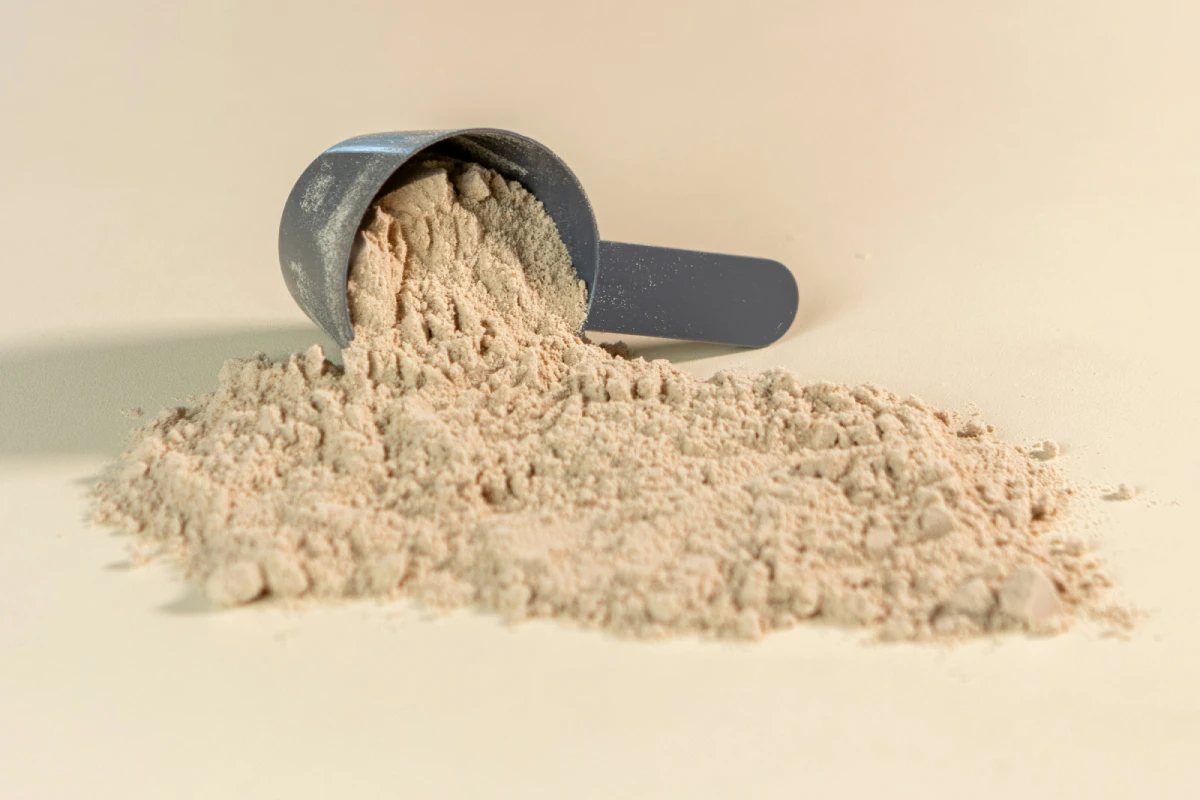
Soy protein isolate (SPI, 90%+ protein) has been the dominant plant protein in food manufacturing for decades, but pea protein isolate (PPI, 80–85% protein) has overtaken it in new product launches since 2020. For food manufacturers, the choice involves allergen status (soy is a major EU allergen; pea is not), GMO considerations, functional properties in specific applications, and shifting consumer preferences toward soy-free formulations.
In short:
Both proteins are widely used in plant-based food manufacturing, but they differ on allergen status, functionality, and sourcing. Here's how they compare:
| Parameter | Pea Protein Isolate (PPI) | Soy Protein Isolate (SPI) |
| Protein content | 80–85% | 90–92% |
| PDCAAS score | 0.82–0.93 | 1.00 |
| Allergen status (EU) | Not a declared allergen | Major allergen (Regulation 1169/2011) |
| GMO risk | None (no commercial GMO varieties) | High (requires IP non-GMO or organic sourcing) |
| Flavour | Mild, slightly earthy | Beany, requires masking |
| Gelling | Good | Moderate |
| Emulsification | Moderate | Strong |
| Extrusion texture | Fibrous | Chewy, dense |
| EU sourcing | France, Belgium, Denmark | Mostly imported (Brazil, USA, China) |
| Typical price (bulk) | €3.50–6.00/kg | €3.00–5.00/kg |
The shift from soy to pea protein in European food manufacturing is driven by three converging factors:
Allergen simplification. Soy is one of the 14 major allergens under EU Regulation 1169/2011. Using soy protein means mandatory allergen declaration, dedicated production lines or validated cleaning protocols, and exclusion from “free-from” product ranges. Pea protein avoids this entire compliance burden. For manufacturers running multiple product lines, removing soy simplifies allergen management across the facility.
Consumer perception. European consumer surveys consistently show declining preference for soy-based ingredients, driven by concerns about GMO origins, deforestation association, and phytoestrogen content. Whether or not these concerns are scientifically justified, they influence purchasing behaviour. “Soy-free” has become a positive label claim in the plant-based category.
Natural labelling and EU domestic sourcing. Pea protein can be sourced entirely within the EU (France, Belgium, Denmark). This supports “made in Europe” claims and avoids the deforestation due-diligence requirements that apply to soy imports under the EU Deforestation Regulation (EUDR). European pea protein is inherently non-GMO, which eliminates GMO testing and labelling compliance.
Despite pea protein’s growth, soy protein retains advantages in specific applications:
Emulsification-dependent products. Soy protein isolate is a superior emulsifier compared to pea. In applications like plant-based milk, coffee creamers, and salad dressings where emulsion stability is critical, SPI often outperforms PPI without additional emulsifier ingredients.
Maximum protein density. At 90–92% protein, SPI delivers more protein per gram than PPI (80–85%). For products with strict nutritional targets (protein bars requiring a specific protein per serving claim), SPI’s higher density can be advantageous.
Established texture profiles. Many legacy meat alternative products were formulated with soy and have consumer-validated texture profiles. Reformulating with pea protein changes the sensory experience, which carries commercial risk for established brands.
Cost. Soy protein isolate is marginally cheaper in many markets, particularly for non-organic, non-identity-preserved grades. For price-sensitive food service and private-label applications, this cost difference matters at volume.
Easily compare plant-based protein suppliers across Europe on Nutrada. Filter by protein type, allergen status, and organic certification.
Also comparing other plant-based proteins? See hemp protein vs pea protein or protein isolate vs concentrate.
Pea protein contains all nine essential amino acids but is low in methionine and cysteine. Its PDCAAS score (0.82–0.93) is high but below soy (1.0). For complete amino acid coverage, pea is commonly blended with rice protein, which is rich in the sulphur-containing amino acids that pea lacks.
Over 70% of global soybean production is genetically modified. Unless sourced as identity-preserved (IP) non-GMO or certified organic, soy protein must be labelled for GMO content under EU Regulation EC 1829/2003 if the GMO content exceeds 0.9%. Non-GMO and organic soy protein cost 15–30% more.
Yes, and many manufacturers do. Blending combines pea’s allergen advantage with soy’s functional properties. However, the finished product must still declare soy as an allergen, which negates one of pea protein’s key benefits. Pea + rice blends achieve similar amino acid profiles without the soy allergen.
Both work well in HMMA but produce different textures. Pea protein creates a more fibrous, chicken-like structure. Soy protein produces a denser, chewier texture closer to beef. Many HMMA manufacturers blend both or combine with other ingredients (wheat gluten, methylcellulose) to fine-tune texture.


Find the right supplier for your food ingredients in under a minute with Nutrada. Nutrada - Sourcing made easy.