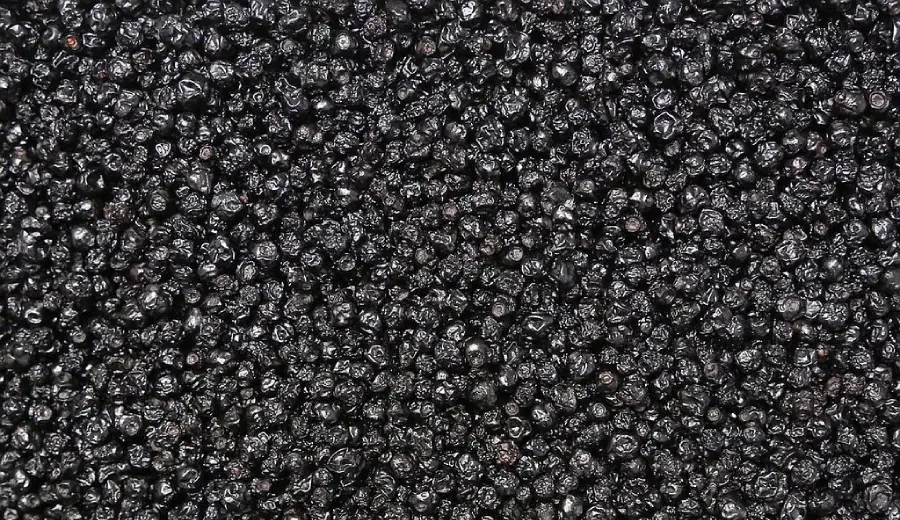
Find GFSI-certified blueberry juice suppliers on Nutrada offering juice concentrates, purees, and not-from-concentrate blueberry juice from Canada, Chile, and Poland. Filter by origin, certification, and MOQ to request bulk quotes directly.
| Value | Description |
| Botanical name | Vaccinium corymbosum (highbush), Vaccinium angustifolium (lowbush) |
| Available forms | Juice concentrate, not-from-concentrate (NFC), puree |
| Origins | Canada, Chile, Poland, United States |
| Certifications | GFSI (BRCGS, IFS, FSSC 22000), EU Organic, Kosher, Halal |
| Common applications | Functional beverages, juice blends, yogurt bases, smoothie mixes |
| Packaging | Aseptic bags, drums, totes |
| MOQ | 1,000-5,000 litres |
| Category | Juices Pulp Puree Wholesale |
Commercial blueberry juice suppliers offer different processing methods that affect nutritional density and shelf stability.
| Form | What it means for procurement | Typical application |
| Juice concentrate | Water removed, typically 65-68° Brix, extended shelf life | Beverage manufacturing, juice blends |
| Not-from-concentrate (NFC) | Single-strength juice, flash pasteurized, refrigerated | High-quality beverages, smoothie bases |
| Puree | Whole fruit processed, higher fiber content, viscous | Yogurt bases, baby food, smoothie bowls |
Canada is the world's largest wild blueberry producer, with Nova Scotia, New Brunswick, and Quebec accounting for the majority of wild lowbush blueberry harvest from August through September used for juice concentrate. Chile serves as a leading blueberry exporter, where the Biobio and Maule regions provide counter-seasonal supply from November through March with both fresh and juice production capacity. Poland has rapidly expanded highbush blueberry cultivation, becoming a top EU producer where the Lublin and Mazovia regions supply juice processors serving the European functional beverage market with Regulation (EC) No 396/2005 compliant products. Wild lowbush varieties from Canada deliver higher anthocyanin concentrations per litre compared to cultivated highbush varieties, affecting antioxidant positioning in functional beverage formulations.
Blueberry juice concentrate requires cold storage below 4 degrees Celsius to prevent fermentation and maintain anthocyanin stability during extended storage periods. Standard packaging includes 200-litre aseptic bags in drums for concentrate and 1,000-litre totes for NFC juice. Verify the Brix level for concentrates and the pasteurization method with suppliers before placing orders, as these specifications directly impact reconstitution ratios and flavor profiles in the final beverage.
Canada and Poland maintain strong EU Organic certification infrastructure for blueberry cultivation, with both wild harvested and cultivated organic lots available. Chile offers dual EU Organic and USDA NOP certification for counter-seasonal supply, though organic volumes remain limited compared to conventional production.
Private label blueberry juice packaging includes glass bottles, PET bottles, pouches, and cartons ranging from 200ml to 1 litre for retail distribution. MOQ typically starts at 10,000 units for custom labeling. Buyers must specify whether they require single-strength juice or concentrate-based formulations before production begins.
Blueberry juice manufacturers concentrate in Canada's Maritime provinces, Chile's central regions, and Poland's growing production zones, chosen for proximity to cultivation areas and cold storage infrastructure. Request batch-specific certificates of analysis, microbiological reports, and anthocyanin content profiles from suppliers before finalizing orders. Multi-fruit processors often offer strawberry juice and raspberry juice for buyers developing berry blend formulations.
Nutrada lists GFSI-certified blueberry juice suppliers from Canada, Chile, and Poland, covering concentrate, NFC, and puree forms across conventional and organic supply. All orders are placed directly with certified suppliers, with no intermediary.
Last updated: Apr 11, 2026

Find the right supplier for your food ingredients in under a minute with Nutrada. Nutrada - Sourcing made easy.