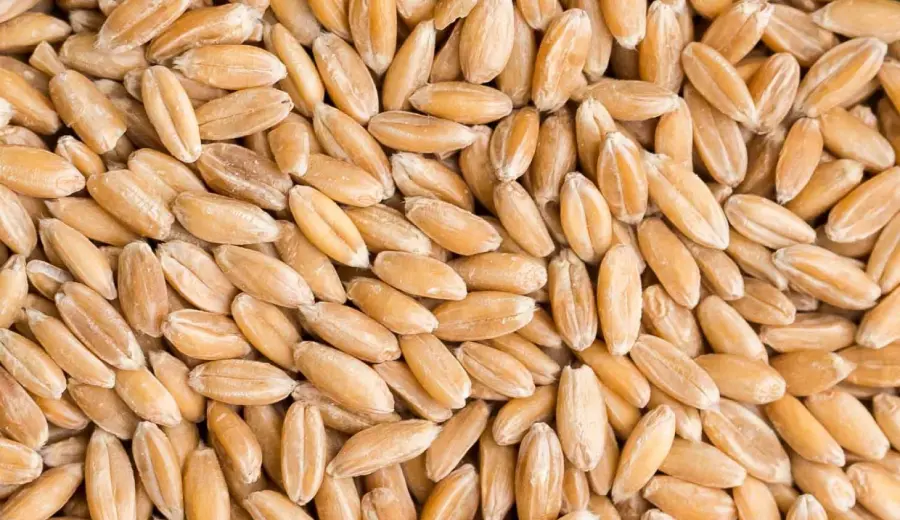
Germany and Austria produce the majority of premium European spelt from heritage cultivars like Oberkulmer and Schwabenkorn. Find GFSI-certified wholesale spelt suppliers from both origins on Nutrada, filterable by form and MOQ. Spelt suppliers on Nutrada offer whole grain, flour, and flakes from organic and conventional production.
| Field | Detail |
| Botanical name | Triticum spelta |
| Available forms | Whole grain (hulled), pearled, flour, flakes, puffed |
| Origins | Germany, Austria, Switzerland, France, UK |
| Certifications | GFSI (BRCGS, IFS, FSSC 22000), EU Organic, Kosher, Halal |
| Common applications | Artisan bread, pasta, breakfast cereals, premium bakery |
| Packaging | 25-50 kg bags |
| MOQ | 25kg |
| Category | Grains Wholesale |
| Form/Grade | What it means for procurement | Typical application |
| Whole grain (hulled) | Dehulled kernels ready for milling or direct use. Requires verification of moisture below 14%. | Side dishes, grain bowls, direct consumption |
| Pearled spelt | Outer bran layer removed. Shorter cooking time but lower fiber content affects nutrition labeling. | Quick-cooking applications, soups |
| Spelt flour (light) | Low extraction rate flour with bran removed. Protein content 11-15% determines bread-making performance. | Premium white bread, pastries |
| Spelt flour (wholegrain) | Full-kernel flour retaining bran. Higher ash content affects shelf life and packaging requirements. | Artisan bread, health-focused products |
| Spelt flakes | Rolled and steamed grain. Thickness specification affects texture in final application. | Breakfast cereals, granola, muesli |
Ancient wheat varieties including Einkorn and Emmer offer similar heritage positioning for premium product lines.
Germany maintains the largest commercial spelt production in Europe, concentrated in Baden-Württemberg where heritage cultivars like Schwabenkorn are grown under controlled origin programs. Austrian spelt from Oberkulmer varieties commands a premium due to documented seed purity and mountain growing conditions above 500 meters elevation. Switzerland produces smaller volumes of Dinkel spelt with Protected Designation of Origin status, creating the highest price tier in European trade. France has expanded spelt acreage significantly since 2020, offering more competitive pricing for bulk buyers, while organic certification infrastructure in these four origins ensures consistent EU Organic availability.
The CBI ancient grains market study reports growing European consumption driven by artisan bakery demand.
Spelt contains gluten and requires allergen declaration under EU Regulation 1169/2011. Store below 20 degrees Celsius with moisture content verified below 14% to prevent mycotoxin development during storage. Whole grain spelt has 18-24 month shelf life under proper conditions, while spelt flour shortens to 6-12 months due to higher fat content in the germ. Bulk packaging in 25-50 kg polypropylene bags includes hulled grain ready for milling or direct processing. Verify with suppliers whether grain is pearled or includes the bran layer, as this affects both nutritional labeling and processing requirements.
Germany, Austria, and Switzerland offer the deepest organic spelt supply in Europe, with established organic farming systems that utilize spelt's natural disease resistance. French organic spelt provides competitive pricing with EU Organic certification widely available from Loire Valley producers. Both German and Swiss origins offer dual EU Organic and USDA NOP certification for export markets, though minimum orders typically increase to accommodate certification paperwork.
Retail formats include 500g and 1kg spelt flour pouches, spelt pasta in clear windows boxes, spelt bread mix sachets, and breakfast flake containers. Heritage grain positioning allows premium pricing over conventional wheat products in health food and specialty retail channels. MOQs for private label typically start at 500-1000 units depending on packaging complexity. Buyers must specify protein content targets (11-15%) before production starts, as this affects both supplier selection and final product performance in bread applications.
European spelt processors concentrate in Germany and Austria where grain supply and milling infrastructure align with export capability. Request batch-specific certificates of analysis showing protein content, moisture levels, and mycotoxin testing for DON levels below EU limits. Austrian suppliers often provide heritage variety documentation for Oberkulmer spelt, while German processors offer consistent year-round supply from multiple growing regions. Nutrada lists GFSI-certified spelt suppliers from Germany, Austria, Switzerland, and France, covering whole grain, flour, and flakes across conventional and organic supply. All orders are placed directly with certified suppliers, with no intermediary.
Further reading:
Last updated: Apr 29, 2026

Find the right supplier for your food ingredients in under a minute with Nutrada. Nutrada - Sourcing made easy.