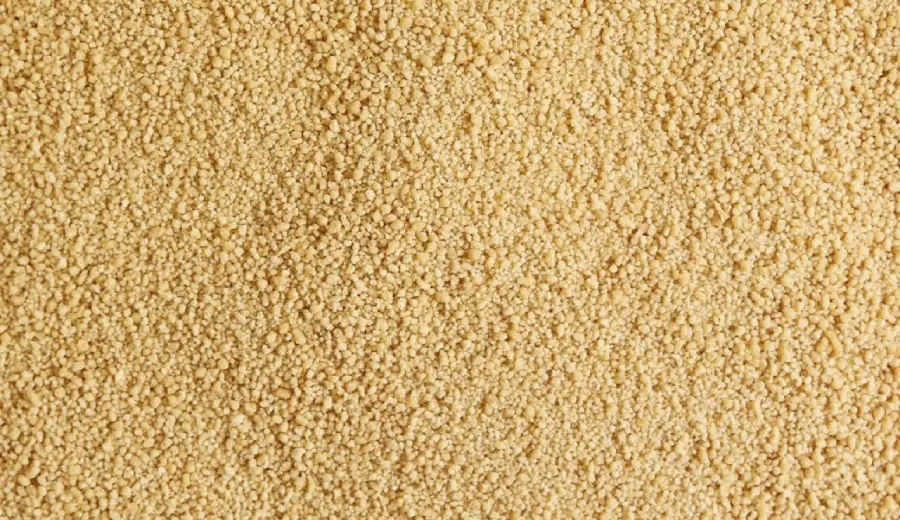
Couscous is sourced in fine and coarse forms, two procurement decisions that require different supplier qualifications. Filter by grain size on Nutrada to find GFSI-certified suppliers and request bulk quotes. Coarse couscous uses a different cooking method than traditional fine couscous, affecting foodservice menu specifications and ready meal formulations.
| Field | Detail |
| Botanical name | Triticum durum (durum wheat semolina) |
| Available forms | Fine, medium, coarse, pearl, whole wheat, instant |
| Origins | Morocco, France, Algeria, Tunisia, Turkey |
| Certifications | GFSI, EU Organic, Halal, Kosher |
| Common applications | Ready meals, Mediterranean cuisine, grain salads, foodservice |
| Packaging | 25-50kg bags |
| MOQ | 25kg |
| Category | Grains Wholesale |
| Form/Grade | What it means for procurement | Typical application |
| Fine/traditional (1mm) | Quick-steaming, requires boiling water only | North African dishes, ready meals |
| Medium | Standard EU retail size | General foodservice, packaged products |
| Coarse(5mm) | Spherical pasta-like texture, longer cooking time | Warm salads, side dishes, premium applications |
| Whole wheat | Brown color, higher fiber content | Health-focused products, premium retail |
| Instant/pre-cooked | Pre-gelatinized, fastest preparation | Quick meal solutions, foodservice efficiency |
Coarse couscous cooks differently than fine couscous, so specify grain size carefully when placing orders as the two forms are not interchangeable in recipes.
Morocco serves as both the traditional birthplace and primary industrial producer for EU export markets, with established semolina mills processing durum wheat into various couscous grades for European distribution. France operates major processing facilities converting imported semolina into finished couscous products for domestic and EU markets.
Algeria and Tunisia maintain traditional production methods while expanding export capacity, Tunisia in particular positions couscous as a national culinary heritage product and supplies Mediterranean regional markets.
Turkey has developed significant export operations focused on medium and fine grades for European foodservice buyers. Buyers sourcing couscous alongside other wheat-based ingredients can explore wheat options from the same regional suppliers within the grains category on Nutrada.
Couscous absorbs moisture from air, requiring storage below 12% moisture to prevent clumping and maintain free-flowing properties. Standard packaging uses 25-50kg polypropylene bags with inner liners to protect against humidity. Check the moisture content on the latest CoA before committing to large orders, as moisture above 13% affects texture and shelf life. The pre-gelatinized nature means rehydration requires only boiling water, making it ideal for ready meal manufacturers seeking quick preparation ingredients.
Morocco and France hold both EU Organic and USDA NOP certifications for couscous production, with French processors often sourcing organic durum semolina from certified North African suppliers. Italian organic couscous suppliers typically focus on whole wheat varieties using domestic durum wheat. Tunisia offers organic fine couscous with dual certification, though supply depth remains limited compared to conventional production.
Consumer packaging formats include resealable pouches, cardboard tubes, and retail bags from 250g to 1kg for household use. Foodservice formats range from 2kg to 5kg bags for restaurant and catering applications. MOQ for private label typically starts at 500kg minimum per SKU. Buyers must specify grain size before production begins, as fine and coarse couscous require different packaging machinery settings.
European manufacturers concentrate in France and Italy, with French facilities sourcing semolina from Morocco and Algeria for processing into finished couscous products. North African manufacturers in Morocco and Tunisia combine traditional knowledge with modern processing equipment, offering direct export to EU buyers seeking origin authenticity. Request batch-specific CoA, allergen declarations (contains wheat/gluten), and mycotoxin test results including DON levels. Nutrada lists GFSI-certified couscous suppliers from Morocco, France, and Tunisia, covering fine, medium, and coarse forms across conventional and organic supply. All orders are placed directly with certified suppliers, with no intermediary.
Last updated: Apr 6, 2026

Find the right supplier for your food ingredients in under a minute with Nutrada. Nutrada - Sourcing made easy.