Maca (Lepidium meyenii) is a cruciferous root vegetable grown exclusively at high altitudes (3,800-4,500m) in the Peruvian Andes, primarily in the Junín and Pasco regions. Three color types are commercially traded: yellow, red, and black, each associated with different bioactive profiles and market positioning. For food and supplement manufacturers, maca powder is available as raw, gelatinized, or extract forms, with significant quality and pricing differences.
In short:
All three colors come from the same species, the color difference results from anthocyanin and phenolic compound concentrations in the root skin, influenced by genetics and growing conditions within the same field. A single maca harvest produces all three colors; they are sorted post-harvest.
You can buy maca in bulk from certified Peruvian exporters on Nutrada through our Marketplace.
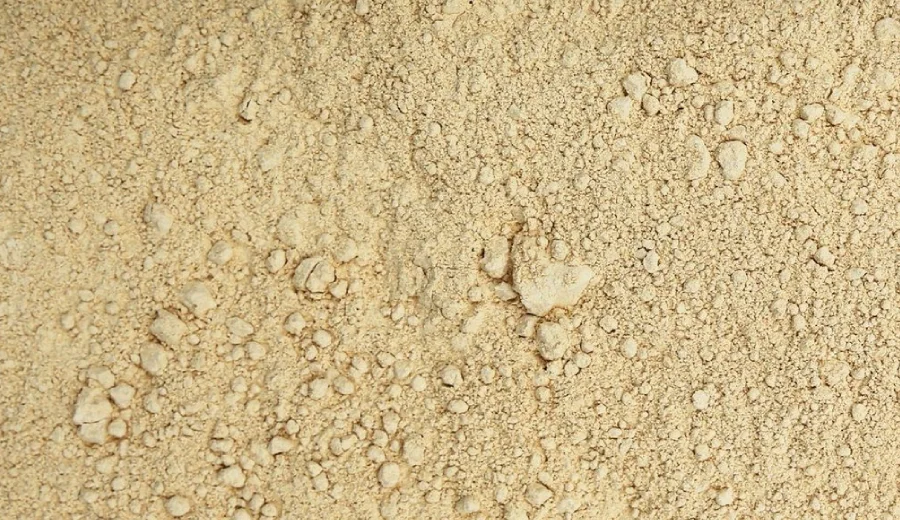
Raw maca powder is the dried, ground root, nothing added, nothing removed. It retains all native starches and has a pungent, earthy flavor. Raw maca is harder to digest due to its high starch content and is primarily sold in supplement capsules where taste isn’t a factor.
Gelatinized maca has undergone extrusion cooking (not gelatin-related - the term refers to starch gelatinization). This process breaks down raw starches, improving digestibility significantly, neutralizing much of the pungent flavor, and concentrating bioactive compounds per gram (since starch is partially removed). Gelatinized maca costs significantly more than raw but is the preferred form for food products, smoothie mixes, and beverages where taste matters.
For food manufacturers, gelatinized maca is almost always the right choice. Raw maca in a smoothie blend creates a flavor profile that most Western consumers find challenging. We’ve seen products reformulated from raw to gelatinized maca mid-production because consumer feedback on taste was overwhelmingly negative.
Origin verification: Authentic Peruvian maca grows only at 3,800m+ altitude in specific Andean regions. Chinese-grown maca exists at significantly lower prices, but it’s cultivated at lower altitudes with different soil and climate conditions, producing a product with disputed bioactive equivalence. Specify Peruvian origin and request certificates of origin.
Did you know that despite Peruvian law banning the export of whole maca roots and seeds since 2003. Chinese nationals entered Peru posing as tourists, approaching farmers directly in the fields with suitcases full of cash and offering several times the market rate. The roots and seeds were then smuggled across the borders with Bolivia and Ecuador, ending up in China's Yunnan province. By 2014, China had roughly 12,000 hectares of maca under cultivation, more than double Peru's 5,000. Peru has since classified the affair as biopiracy, and authorities have identified around 1,700 maca-related patent applications worldwide, 75% of which originate from China.
Heavy metal testing: High-altitude Andean soils can contain elevated levels of lead and cadmium. EU regulations apply. Request third-party lab analysis for heavy metals, pesticide residues, and microbiological parameters.
Gelatinization degree: Not all “gelatinized” maca is equal. Request the degree of gelatinization (target: above 80%) and verify through starch analysis. Under-processed maca retains raw starch characteristics.
Ensure suppliers hold appropriate food safety certifications for your target market.
Maca is one of several superfood ingredients available through Nutrada. Browse all options on the superfoods wholesale category page, including complementary ingredients like spirulina and chlorella.
The “best” type depends on your product’s positioning. Yellow maca is the most versatile and affordable for general superfood products. Red maca targets women’s health and hormonal balance applications. Black maca has the highest price and is positioned for energy, stamina, and men’s health. For food manufacturing, gelatinized yellow maca offers the best value-to-functionality ratio.
No. Maca varies by color (yellow, red, black), processing (raw vs gelatinized vs extract), origin (Peru vs China), and altitude of cultivation. Each variable affects bioactive content, flavor, price, and regulatory status. Peruvian-grown maca from 3,800m+ altitude is considered the standard; lower-altitude or non-Peruvian maca may differ in composition.
Gelatinized maca powder is the most practical form for food and supplement manufacturers, it offers improved digestibility, concentrated bioactive content, and neutral flavor compared to raw maca. Maca extracts (4:1, 10:1) provide the highest concentration of active compounds per gram and are used in capsules and tablets. For food applications requiring flavor compatibility, gelatinized powder is preferred.
Maca powder from Lepidium meyenii has been authorized in the EU based on a history of significant consumption before May 1997. It is listed in the EU Novel Food Catalogue as authorized. However, specific maca extracts or novel processing methods may require separate Novel Food assessment. Verify the status of your specific product form before launching.


Find the right supplier for your food ingredients in under a minute with Nutrada. Nutrada - Sourcing made easy.