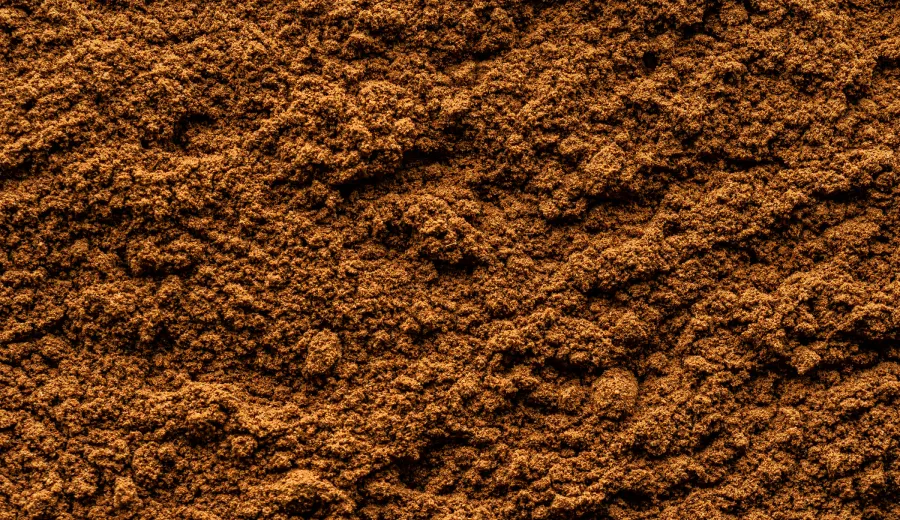
Nutrada lists GFSI-certified guarana juice suppliers from Brazil and Venezuela. Compare NFC and concentrate side by side, filter by form, certification, and MOQ, and request wholesale quotes directly.
| Value | Description |
| Botanical name | Paullinia cupana |
| Available forms | NFC juice, concentrate, pulp, puree |
| Origins | Brazil, Venezuela |
| Certifications | GFSI (BRCGS, IFS, FSSC 22000), EU Organic, Kosher, Halal |
| Common applications | Energy drinks, functional beverages, supplement formulations |
| Packaging | Aseptic bag-in-box, drums, IBC |
| MOQ | 200 L |
| Category | Juices Pulp Puree Wholesale |
| Form | What it means for procurement | Typical application |
| NFC juice | Single-strength liquid requiring cold chain or aseptic processing | Direct consumption beverages, functional drinks |
| Juice concentrate | Water-reduced format with extended shelf life and lower transport costs | Energy drink bases, flavor systems, industrial beverage production |
| Pulp | Crushed fruit matter with fiber content, typically frozen | Smoothie bases, functional blends requiring texture |
| Puree | Smooth fruit product with consistent viscosity | Supplement formulations, beverage smoothness applications |
Brazil is the primary commercial guarana producer, with the Amazonas state, particularly the Maués municipality, as the traditional cultivation centre, while Bahia state produces over 70% of national volume. This supply concentration creates procurement risk during harvest season disruptions. Venezuela has limited wild guarana populations in the Amazonas state along the Orinoco tributaries, where Venezuelan guarana remains a niche wild-harvested product. Regulation (EU) No 1169/2011 requires beverages with caffeine above 150 mg/L to carry the mandatory warning "High caffeine content" plus mg/L declaration. Brazilian Maués supply represents the authentic origin certification many buyers require for functional beverage applications.
Guarana juice requires careful temperature control due to natural caffeine degradation at elevated temperatures. Aseptic packaging in drums or bag-in-box maintains shelf life up to 24 months at ambient temperature, while frozen formats extend to 36 months at -18 degrees Celsius. Buyers must verify caffeine content on each lot's Certificate of Analysis, as levels vary between 3.5-5.8% dry weight equivalent depending on fruit maturity and processing method.
Brazil offers EU Organic and USDA NOP certified guarana juice from select Amazonas producers. Organic supply remains limited due to the wild-harvesting nature of traditional guarana cultivation and certification costs for remote Amazon locations. Venezuelan wild-harvested guarana lacks commercial organic certification infrastructure.
Private label formats include ready-to-drink energy beverages, concentrated shots, and functional drink mixes in pouches or bottles. MOQ typically starts at 10,000 units for custom formulations. Buyers must determine caffeine content levels before production begins, as this affects mango juice and passion fruit juice blend ratios in multi-fruit energy drinks.
Manufacturers concentrate in Brazil's Amazonas and Bahia states, with processing facilities requiring GFSI certification for export markets. Request batch-specific Certificates of Analysis showing caffeine content, microbiological results, and pesticide residue panels.
Nutrada lists GFSI-certified guarana juice suppliers from Brazil and Venezuela, covering NFC and concentrate formats across conventional and organic supply. All orders are placed directly with certified suppliers, with no intermediary.
Last updated: Apr 11, 2026
No similar suppliers available.

Find the right supplier for your food ingredients in under a minute with Nutrada. Nutrada - Sourcing made easy.