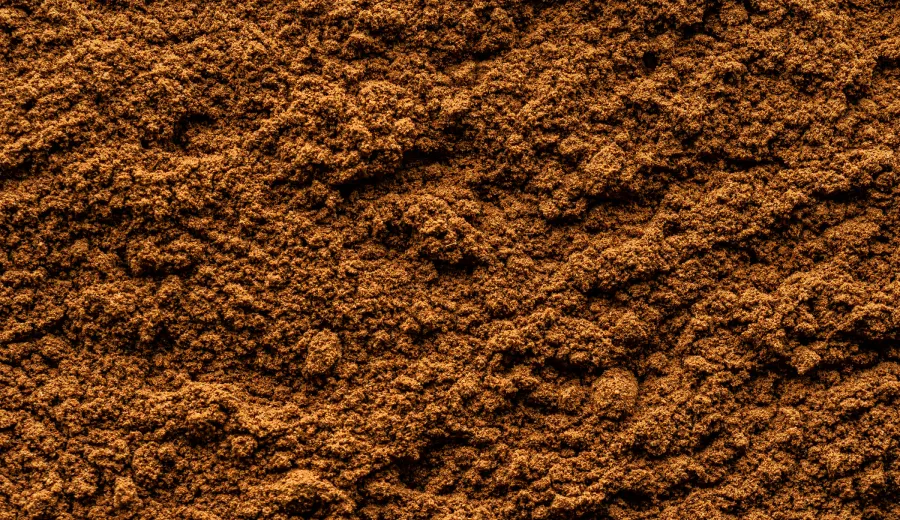
Find GFSI-certified guarana suppliers on Nutrada offering seeds, powder, and extract from Brazil and Venezuela. European buyers compare quality and request bulk quotes directly from certified suppliers through the Nutrada marketplace.
| Value | Description |
| Botanical name | Paullinia cupana |
| Available forms | Seed powder, standardised extract (10-22% caffeine), raw seeds |
| Origins | Brazil, Venezuela |
| Certifications | GFSI (BRCGS, IFS, FSSC 22000), EU Organic, Kosher, Halal |
| Common applications | Energy drinks, sports supplements, functional beverages, weight management |
| Packaging | 5-25 kg bags |
| MOQ | 25kg |
| Category | Herbs Wholesale |
| Form | What it means for procurement | Typical application |
| Powder | Natural caffeine content 3.5-5.8% dry weight, requires moisture max 10% | Energy drinks requiring natural caffeine source |
| Standardised extract | Concentrated caffeine levels 10-22%, consistent potency | Sports supplements with precise caffeine dosing |
| Raw seeds | Whole form requiring processing, highest caffeine variability | Traditional preparations or custom processing |
Brazil dominates guarana production with sophisticated processing infrastructure concentrated in two states that handle different market segments. Bahia state accounts for approximately 60% of national production through large-scale mechanised operations, while Amazonas state contributes 28% via traditional smallholder methods centered in Maués municipality. This geographic concentration creates supply risk for European buyers during drought years or infrastructure disruptions affecting either processing hub. Venezuela maintains secondary production capacity but lacks the industrial drying and extraction facilities found in Brazilian operations, limiting export volumes to mostly raw seed forms. Regulation (EU) No 1169/2011 requires caffeine content declaration for guarana-containing food supplements sold in European markets.
Guarana seed powder requires moisture control below 10% to prevent caffeine degradation and microbial growth during storage. Standard packaging uses 5-25 kg multi-layer bags with inner food-grade liner to protect against humidity exposure. Store below 25 degrees Celsius at under 65% relative humidity for 18-24 months shelf life. Buyers must verify caffeine content on each batch Certificate of Analysis since natural variation ranges from 3.5-5.8% in seed powder forms.
Brazil holds both EU Organic and USDA NOP certification for guarana production through certified smallholder cooperatives in Amazonas state. Organic guarana commands higher pricing due to limited cultivation areas and extended certification processes for wild-harvested materials. Venezuela organic certification remains limited with few producers maintaining dual EU-USDA certification status.
Consumer packaging formats include capsules, sachets, energy drink mixes, and retail powder containers from 50g to 500g sizes. Private label guarana requires higher MOQ than bulk orders due to packaging line minimums and label printing requirements. Buyers must specify caffeine standardisation level before production since EU labelling laws mandate exact caffeine content declaration on finished products.
Brazilian manufacturers concentrate in São Paulo and Amazonas states with established extraction and standardisation facilities for export markets. Procurement teams evaluate suppliers based on caffeine analysis capabilities and pesticide residue testing infrastructure since guarana requires full EU pesticide panel testing per shipment lot. Documentation to request includes batch-specific CoA, caffeine analysis reports, and heavy metals screening results.
Nutrada lists GFSI-certified guarana suppliers from Brazil and Venezuela, covering seed powder and standardised extracts across conventional and organic supply. All orders are placed directly with certified suppliers, with no intermediary.
Last updated: Apr 10, 2026

Find the right supplier for your food ingredients in under a minute with Nutrada. Nutrada - Sourcing made easy.