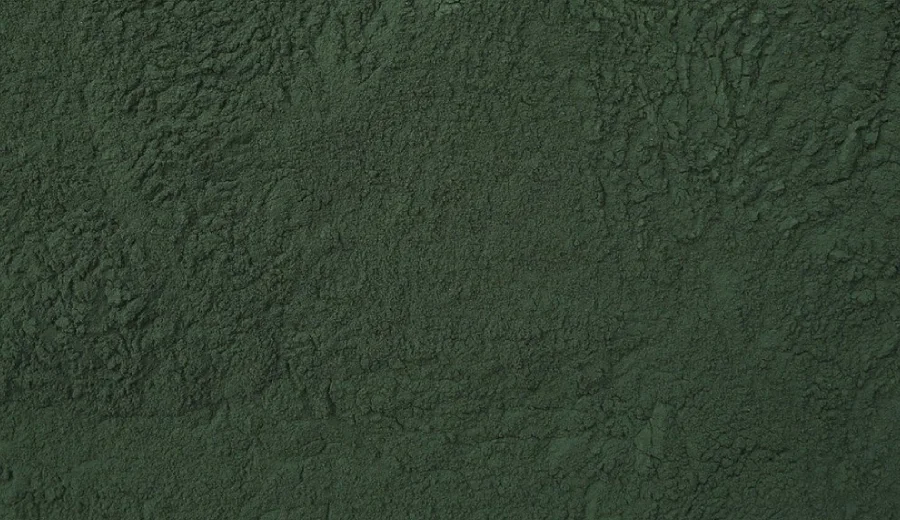
Spirulina is a blue-green microalgae (Arthrospira platensis) cultivated commercially for its high protein content (55-70% by dry weight), B-vitamin profile, and the blue pigment phycocyanin. Two primary forms are traded in B2B markets: green spirulina (the whole dried algae) and blue spirulina (an extract of phycocyanin pigment). Hawaiian-grown spirulina from Kona, Hawaii has a higher price, but the majority of commercial supply comes from China, India, and Taiwan.
In short:
| Parameter | Green Spirulina | Blue Spirulina (Phycocyanin Extract) |
| Form | Powder, tablets, flakes | Powder (water-soluble) |
| Color | Dark green | Vivid blue |
| Protein content | 55-70% | 40-50% (varies by extraction) |
| Phycocyanin content | 10-20% | 20-40% (concentrated) |
| Taste | Strong algae/seaweed flavor | Virtually tasteless |
| Application | Supplements, smoothie mixes, functional foods | Natural food colorant, beverages, confectionery, ice cream |
| Shelf life | 24 months (sealed, cool, dark) | 12-18 months (light-sensitive) |
Which is better, blue or green spirulina? They serve fundamentally different purposes. Green spirulina is a nutritional ingredient, you add it for protein, iron, and B-vitamins. Blue spirulina is primarily a colorant, you add it for its vivid blue color without the overpowering algae taste. For supplement manufacturers, green spirulina is the standard. For food and beverage brands wanting natural blue coloring, blue spirulina (phycocyanin) is the product.
Blue spirulina has become increasingly important as EU food manufacturers seek natural alternatives to synthetic food dyes. Phycocyanin provides a vivid blue that synthetic Brilliant Blue (E133) previously monopolized, without an E-number on the ingredient list. Buy spirulina from wholesalers on the Nutrada marketplace.
Hawaiian spirulina (primarily from Cyanotech Corporation’s facility in Kona, Hawaii) is the premium benchmark. What differentiates it:
Cultivation: Open-pond cultivation in a controlled facility using deep-ocean water from 600m depth, blended with fresh Hawaiian aquifer water. This mineral-rich water source is cited as contributing to higher nutrient density. Standard spirulina farms in China and India use freshwater ponds with variable water quality.
Testing standards: Hawaiian producers test for heavy metals, microcystins, pesticides, and microbiological contaminants at standards exceeding typical Chinese and Indian production. For European food manufacturers, this testing rigor reduces your own QC burden.
Pricing: Hawaiian spirulina powder costs 3-5x more which may be hard to justify in cost-sensitive products like smoothie mixes where spirulina is one of many ingredients. The premium makes sense for single-ingredient spirulina tablets or premium supplement brands where “Hawaiian Spirulina” is a product selling point.
For most food manufacturing applications, high-quality Chinese or Indian spirulina with proper testing and food safety certifications delivers equivalent functional performance at significantly lower cost. Specify your quality requirements through lab analysis rather than relying on origin as a quality proxy.
Heavy metals deserve particular attention for spirulina. As a bioaccumulator grown in open ponds, spirulina can concentrate lead, arsenic, cadmium, and mercury from its water source. EU limits apply. Request full heavy metal panels and compare results against EU maximum levels.
Polycyclic aromatic hydrocarbons (PAHs) are harmful compounds that can form during the drying of spirulina, especially when direct heat or poorly controlled methods are used. Under EU Regulation 2023/915, spirulina-based supplements must meet strict PAH limits, and exceeding them means the product is classified as unsafe, not just non-compliant. For buyers, this makes requesting a Certificate of Analysis with PAH4 test results a non-negotiable step in supplier vetting.
Microcystin testing is critical. Spirulina ponds can be contaminated with Microcystis species, toxic cyanobacteria that produce microcystins (hepatotoxins). The industry guideline is below 1 µg/g, and the Oregon Health Division standard (used as a global benchmark) sets a limit of 1 µg/g. Always request microcystin test results.
Protein content should be verified since claimed percentages (55-70%) vary significantly between producers. Request a Certificate of Analysis with Kjeldahl or Dumas nitrogen analysis, noting that spirulina’s non-protein nitrogen can inflate protein claims if not properly calculated.
Phycocyanin content (for blue spirulina) should be standardized and tested. Expect 20-40% phycocyanin in commercial blue spirulina extract. Lower concentrations produce weaker color intensity.
Consider chlorella in bulk as a complementary green superfood ingredient, many supplement formulations combine spirulina and chlorella. Spirulina also pairs well with other superfood ingredients in supplement and smoothie formulations. Browse all available superfood categories on our superfoods wholesale page.
Two primary types are commercially traded: green spirulina (whole dried Arthrospira platensis, used as a protein-rich nutritional ingredient) and blue spirulina (phycocyanin extract, used as a natural blue food colorant). Within green spirulina, products are differentiated by origin (Hawaiian, Chinese, Indian), cultivation method (open pond vs closed photobioreactor), and form (powder, tablets, flakes).
They serve different purposes. Green spirulina is a nutritional powerhouse with 55-70% protein, rich in iron and B-vitamins, used in supplements and smoothie blends. Blue spirulina is a phycocyanin extract used as a natural blue food colorant with virtually no taste. Choose green for nutrition, blue for color.
Hawaiian spirulina is cultivated in controlled open ponds using deep-ocean mineral water in Kona, Hawaii, with stringent testing protocols. Standard spirulina from China and India is produced in freshwater open ponds with variable quality control. Hawaiian spirulina costs 3-5x more, justified by consistent quality and premium branding.
No. Standard spirulina (Arthrospira platensis) has a pre-1997 consumption history in the EU. It can be sold without Novel Food authorization. However, novel processing methods or specific extracts may require a separate assessment. Always check the EU Novel Food Catalogue for your specific product form.


Find the right supplier for your food ingredients in under a minute with Nutrada. Nutrada - Sourcing made easy.