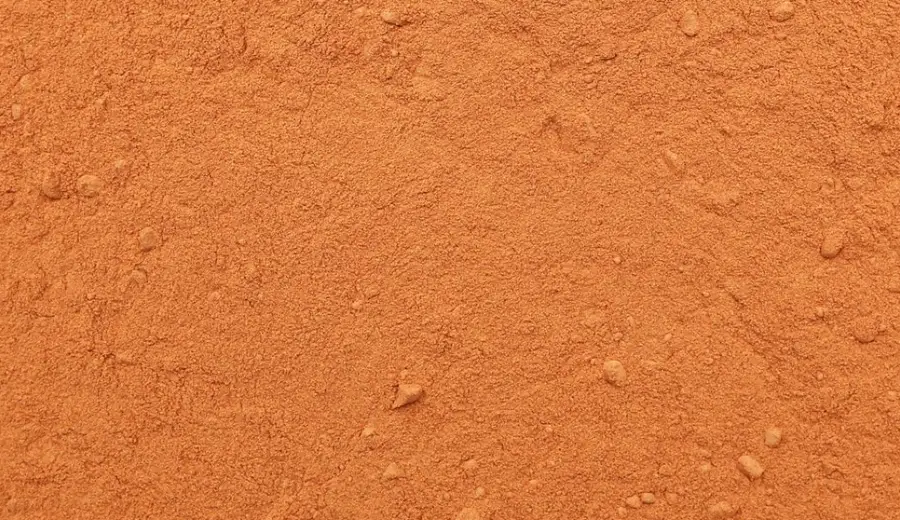
Camu camu powder is sourced in spray-dried and air-dried forms, two procurement decisions that require different supplier qualifications. Filter by vitamin C content on Nutrada to find GFSI-certified suppliers and request bulk quotes.
| Field | Detail |
| Botanical name | Myrciaria dubia |
| Available forms | Spray-dried powder, air-dried powder |
| Origins | Peru (Loreto, Ucayali, San Martin), Brazil |
| Certifications | USDA Organic, EU Organic, HACCP, GMP, Halal, Kosher |
| Common applications | Vitamin C supplements, functional beverages, superfood blends |
| Packaging | 20-25 kg food-grade bags |
| MOQ | 20kg |
| Category | Superfoods Wholesale |
| Form/Grade | What it means for procurement | Typical application |
| Spray-dried powder | Higher solubility, lighter colour, faster dissolution | Beverages, drink mixes, instant formulations |
| Air-dried powder | Retains natural flavour and aroma, deeper colour | Supplements, capsules, baked goods |
Both forms preserve the natural vitamin C content from fresh camu camu pulp, which contains 2,000-2,994 mg vitamin C per 100g. Processing method affects the final vitamin C concentration in powder form, ranging from 3-10% by weight.
Peru's Amazonian regions of Loreto, Ucayali, and San Martin supply the majority of commercial camu camu powder through wild-harvesting from flooded forest areas along Amazon tributaries. Local communities harvest the berries during the rainy season from December to April, creating seasonal supply constraints that buyers must factor into procurement planning. Brazil produces smaller commercial volumes from similar Amazonian ecosystems. The FAO recognizes camu camu as a wild-harvested Amazonian fruit with limited cultivation development, making supply dependent on natural forest yields and community harvesting capacity. Logistical challenges from remote harvesting locations require suppliers to maintain consistent export documentation and cold chain protocols.
Camu camu powder is hygroscopic and degrades under light exposure, requiring storage below 15 degrees Celsius with moisture content maintained under 8%. Standard packaging uses 20-25 kg food-grade bags with moisture barrier properties to preserve vitamin C levels during transport. Check the CoA for vitamin C assay results before ordering, as wild-harvested supply creates batch-to-batch variation in final nutrient content. Shelf life reaches 18-24 months under proper storage conditions.
Procurement teams formulating high-potency vitamin C blends often source baobab powder alongside camu camu, since both deliver natural vitamin C.
Peru holds USDA Organic and EU Organic certification for wild-harvested camu camu, with certified suppliers maintaining traceability from community harvesters through processing facilities. Brazil offers similar dual-certification availability but with smaller supply volumes.
Private label options include retail pouches from 100g to 500g, capsule-ready powder, and custom superfood blend formats. MOQ for private label typically exceeds bulk purchasing requirements. Fix the vitamin C content specification before production starts, as this determines processing method and final formulation ratios.
Manufacturers concentrate in Peru's processing centers near Amazonian harvesting regions, with established export infrastructure for phytosanitary documentation and organic certification maintenance. Request batch-specific CoAs with vitamin C assay, microbiological reports, and moisture analysis from suppliers. Nutrada lists GFSI-certified camu camu powder suppliers from Peru and Brazil, covering spray-dried and air-dried forms across conventional and organic supply. All orders are placed directly with certified suppliers, with no intermediary.
Last updated: Apr 6, 2026

Find the right supplier for your food ingredients in under a minute with Nutrada. Nutrada - Sourcing made easy.