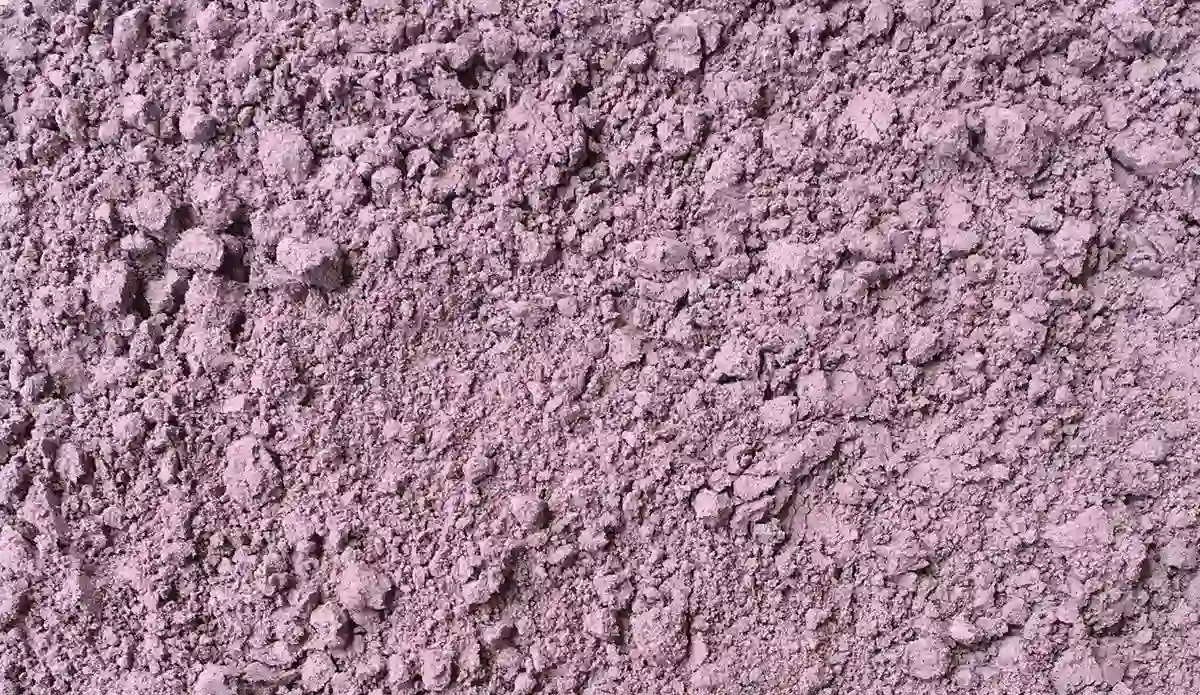
Verifying anthocyanin content is the first challenge when sourcing purple corn in bulk. Nutrada lists GFSI-certified purple corn suppliers with standardized pigment profiles so procurement teams can compare and request quotes directly.
| Field | Detail |
| Botanical name | Zea mays |
| Available forms | Whole kernel, flour, extract powder, anthocyanin concentrate |
| Origins | Peru, Bolivia, Ecuador |
| Certifications | EU Organic, USDA Organic, GFSI schemes |
| Common applications | Natural colorants, functional beverages, bakery |
| Packaging | 20-25 kg bags |
| MOQ | 20kg |
| Category | Superfoods Wholesale |
Purple corn is traded in three primary procurement formats, each requiring different supplier qualifications:
| Form | What it means for procurement | Typical application |
| Whole kernels | Basic processing only, moisture below 14% | Flour milling, traditional foods |
| Ground flour | Milled to specification, particle size varies | Bakery products, beverage mixes |
| Anthocyanin extract | Standardized pigment content, 5-25% anthocyanins | Natural colorants, nutraceutical capsules |
| Concentrated powder | Spray-dried extracts, soluble forms | Instant beverages, food coloring |
Extract standardization varies significantly between suppliers. Request the anthocyanin assay method before comparing quotes, HPLC results differ from spectrophotometric measurements.
Peru accounts for the majority of global purple corn.
Purple corn is sourced primarily as a natural colorant input, with Peru accounting for around 23% of domestic corn production dedicated to purple corn, making Peruvian origin the default for buyers in this ingredient. The production is concentrated in the Cusco and Huancavelica regions at altitudes above 3,000 meters. Procurement teams evaluating anthocyanin-rich ingredients alongside purple corn often look at maqui as an alternative colorant source, though the two differ significantly in concentration and processing format.
Harvest windows typically falling between March and June in the southern hemisphere. The high-altitude growing conditions create natural stress that intensifies anthocyanin development, but this also concentrates supply risk during adverse weather years. Processing infrastructure remains limited to a handful of certified facilities across these three origins, creating bottlenecks during peak extraction seasons.
Purple corn extracts are light-sensitive and degrade rapidly when exposed to UV light or temperatures above 25°C. Bulk packaging uses opaque containers or UV-protective bags to maintain pigment stability. Check the anthocyanin retention percentage on certificates of analysis, degradation below 90% of labeled content indicates storage problems during transport.
Peru and Bolivia both hold EU Organic and USDA NOP certification infrastructure for purple corn. Dual-certified organic supply is available from established suppliers, though volumes remain limited compared to conventional production. Organic certification adds 6-8 weeks to processing timelines due to additional documentation requirements.
Private label formats include retail flour pouches, extract capsules, and ready-to-mix beverage powders. MOQs typically start at 500kg for flour products and 100kg for concentrated extracts. Specify the target anthocyanin content before production, consumer-facing products require consistent color intensity batch to batch.
Manufacturers concentrate in Lima and Arequipa for export logistics, with smaller processing facilities near growing regions in Cusco. Request batch-specific certificates of analysis, microbiological reports, and anthocyanin stability data under accelerated aging conditions. Nutrada lists GFSI-certified purple corn suppliers from Peru, Bolivia, and Ecuador, covering whole kernels and standardized extracts across conventional and organic supply. All orders are placed directly with certified suppliers, with no intermediary.
Last updated: Apr 6, 2026

Find the right supplier for your food ingredients in under a minute with Nutrada. Nutrada - Sourcing made easy.