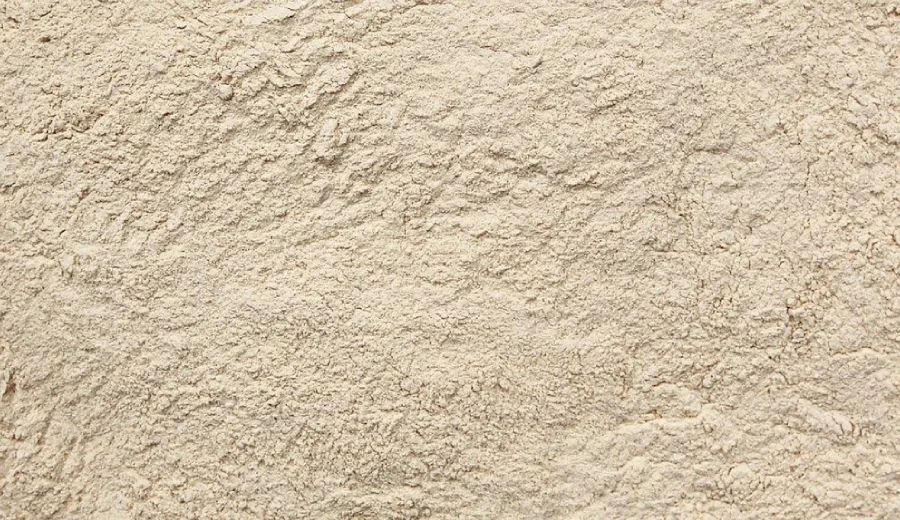
Peru and Chile account for the majority of European lucuma supply. Find GFSI-certified wholesale lucuma suppliers from both origins on Nutrada, filterable by organic certification and MOQ. Peru exported 637.2 tonnes from January to October 2024, representing a 40.1% increase year-on-year, making lucuma suppliers increasingly accessible to European food manufacturers.
| Field | Detail |
| Botanical name | Pouteria lucuma |
| Available forms | Powder (fine, yellow to beige) |
| Origins | Peru (primary), Chile, Ecuador |
| Certifications | EU Organic, USDA Organic, Canada Organic, JAS Organic, Kosher, BRC, HACCP |
| Common applications | Natural sweetener, ice cream, desserts, beverages, supplements, baby food |
| Packaging | 20-25kg food-grade bags |
| MOQ | 20kg |
| Category | Superfoods Wholesale |
Lucuma is primarily available in powder form for B2B applications. The fruit is dried at low temperatures and milled to preserve its natural caramel-like flavour and beta-carotene content. The resulting powder ranges from yellow to beige in colour and is partly soluble in water. BRC certified production facilities ensure consistent particle size and moisture levels across batches. Fresh lucuma fruit spoils rapidly, making powder the only viable form for international trade.
Peru dominates global lucuma supply, accounting for the majority of exports to European markets. Peruvian lucuma is grown in Andean valleys at altitudes between 1,000 and 2,400 meters, where the altitude creates optimal growing conditions for fruit sweetness and beta-carotene development. According to SUNAT export data, Peru exported 637.2 tonnes of lucuma from January to October 2024, a 40.1% increase compared to the same period in 2023. Chile and Ecuador produce smaller quantities, with Chilean lucuma typically harvested from valleys in the Atacama region. The harvest season runs from October to March across all origins, creating supply concentration risk during the Southern Hemisphere winter months.
Lucuma powder is hygroscopic and must be stored below 25 degrees Celsius with humidity levels under 60% to prevent clumping and maintain shelf life of 18-24 months. Standard packaging uses 20-25kg food-grade bags with moisture-barrier linings. Buyers should verify the drying temperature with suppliers, as temperatures above 60 degrees Celsius can reduce beta-carotene content and alter the characteristic caramel flavour profile that differentiates lucuma from other natural sweeteners.
Procurement teams sourcing Andean superfood powders often combine lucuma with maca powder in the same order, as both originate from Peru and share overlapping supplier networks. For buyers working on natural sweetener blends, mesquite powder is another Andean option with a comparable caramel-like flavour profile.
Peru leads organic lucuma supply with established EU Organic and USDA NOP certification infrastructure across multiple production regions. Chilean organic lucuma is available but with limited supply depth compared to Peruvian sources. Dual EU-USDA certification is standard among major Peruvian suppliers, supporting ingredient exports to both European and North American markets.
Private label lucuma is packaged in 100g, 250g, and 500g retail pouches or jars for the superfood and natural sweetener markets. MOQ for private label starts at 500-1,000 units, higher than bulk powder minimums. Buyers must specify whether the label will position lucuma as a sweetener or superfood supplement, as this determines the nutritional panel format and any required health claim documentation.
Lucuma manufacturers operate primarily from Lima and Arequipa regions in Peru, where proximity to processing facilities reduces transport costs and maintains powder freshness. Request batch-specific CoA, microbiological reports, and heavy metal analysis for each shipment, as lucuma grows in mineral-rich soils that require monitoring. Nutrada lists GFSI-certified lucuma suppliers from Peru and Chile, covering conventional and organic powder across different particle sizes. All orders are placed directly with certified suppliers, with no intermediary.
Last updated: Apr 6, 2026

Find the right supplier for your food ingredients in under a minute with Nutrada. Nutrada - Sourcing made easy.