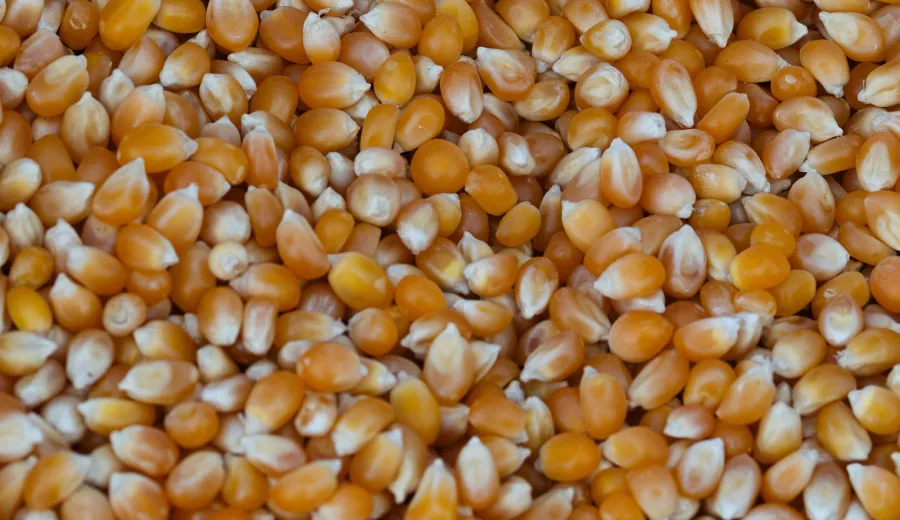
Food manufacturers sourcing corn syrup for EU markets require non-GMO certification and comprehensive mycotoxin testing. Nutrada lists GFSI-certified corn syrup suppliers from US and EU origins, filterable by GMO status, form, and MOQ.
| Field | Detail |
| Botanical name | Zea mays |
| Available forms | Light corn syrup, dark corn syrup, high-maltose corn syrup, organic corn syrup |
| Origins | USA, EU (France, Romania), Brazil, Argentina |
| Certifications | GFSI (BRCGS, IFS, FSSC 22000), EU Organic, Non-GMO Project Verified, Kosher, Halal |
| Common applications | Confectionery, bakery, beverages, sauces, ice cream |
| Packaging | 25kg pails, 300kg drums, 1000kg IBC totes |
| MOQ | 25kg |
| Category | Sugars Wholesale |
| Form/Grade | What it means for procurement | Typical application |
| Light corn syrup | Clear, mild flavor, standard glucose profile | Beverages, candy, general sweetening |
| Dark corn syrup | Contains molasses or refiner's syrup for color/flavor | Baked goods, sauces, caramel products |
| High-maltose corn syrup | Lower glucose, higher maltose content | Brewing, specialized confectionery |
| Organic corn syrup | EU Organic or USDA certified, non-GMO corn base | Clean-label products, natural positioning |
Light corn syrup accounts for most European food manufacturing applications. Dark variants require flavor compatibility testing before switching suppliers.
The United States dominates global corn syrup production, with processing concentrated in Iowa and Illinois.
EU manufacturers in France, Romania, and Hungary process locally grown non-GMO corn, removing a significant documentation burden for European food manufacturers, since under EU Regulation 1830/2003, all operators handling GMO-derived products must maintain traceability records at every stage of the supply chain for five years European Commission, with mandatory labelling on finished products above the 0.9% GMO threshold European Commission.
Brazilian suppliers primarily serve domestic and Latin American markets with limited EU export volumes.
Buyers comparing liquid sweeteners for food manufacturing often shortlist corn syrup alongside rice syrup and barley syrup within the sugars category on Nutrada.
Corn syrup requires storage below 25 degrees Celsius to prevent crystallization and maintain viscosity. Standard packaging includes 25kg pails, 300kg drums, and 1000kg IBC totes with 12-18 month shelf life under proper storage. Buyers must verify the non-GMO documentation chain from corn sourcing through processing if targeting EU markets above 0.9% GM threshold.
EU origins including France and Romania provide EU Organic certified corn syrup with full traceability documentation. USDA NOP certified organic corn syrup primarily originates from US suppliers with verified non-GMO corn supply chains. Dual EU-USDA certification remains limited due to processing facility qualification costs.
Retail formats include squeeze bottles, glass jars, and flexible pouches from 250ml to 1kg sizes. Private label MOQs typically start at 5,000 units per SKU. Fix the sweetness level specification before production begins as glucose-to-maltose ratios affect both taste perception and recipe performance.
European corn syrup manufacturers concentrate in France and Eastern European grain processing regions for cost-effective corn access. Request batch-specific mycotoxin panels covering aflatoxin B1, deoxynivalenol, and fumonisins B1+B2 as corn represents high mycotoxin risk requiring comprehensive testing beyond single-toxin screening. Nutrada lists GFSI-certified corn syrup suppliers from US and EU origins, covering light, dark, and organic forms across conventional and specialty supply. For specialty sweetening applications, consider maple syrup as an alternative natural sweetener with distinct flavor profiles. All orders are placed directly with certified suppliers, with no intermediary.
Last updated: Apr 6, 2026
No similar suppliers available.

Find the right supplier for your food ingredients in under a minute with Nutrada. Nutrada - Sourcing made easy.