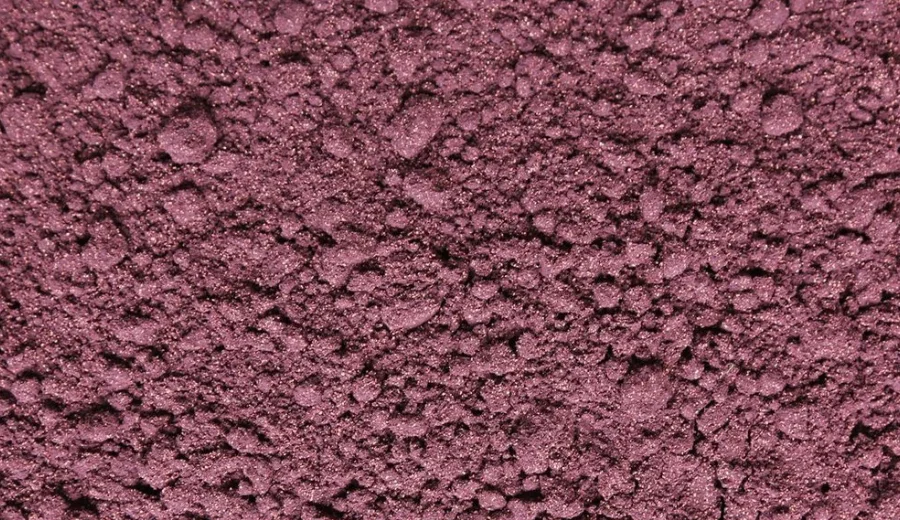
Nutrada lists GFSI-certified maqui juice suppliers from Chile, Argentina, and Patagonia. Compare juice concentrate and NFC formats side by side, filter by form, certification, and MOQ, and request wholesale quotes directly.
| Value | Description |
| Botanical name | Aristotelia chilensis |
| Available forms | Juice concentrate, NFC juice, puree, pulp |
| Origins | Chile, Argentina |
| Certifications | EU Organic, USDA NOP, HACCP, Kosher, Halal |
| Common applications | Functional beverages, natural food coloring, superfood blends |
| Packaging | Aseptic bag-in-box, drums, IBC |
| MOQ | 100-500 kg depending on supplier |
| Category | Juices Pulp Puree Wholesale |
| Form | What it means for procurement | Typical application |
| NFC juice | Direct press from fresh berries, higher anthocyanin retention | Premium functional beverages, shots |
| Juice concentrate | Reduced water content, 65-70 Brix, lower shipping cost | Multi-fruit blends, syrups, beverage manufacturing |
| Puree | Thick berry base with pulp, intense purple color | Jams, sauces, bakery applications |
| Frozen pulp | Crushed berry matter, preserves fiber and anthocyanins | Industrial food production, smoothie bases |
Chile is the sole commercial source of maqui berry, with wild-harvested fruit collected by Mapuche communities in the Biobio and Araucania regions from December to February. Argentina maintains limited wild maqui populations in Patagonia's Neuquen and Rio Negro provinces, though Argentine supply remains small-scale compared to Chilean volumes. The seasonal harvest window creates supply concentration risk, with processors typically securing annual contracts during harvest season. Novel extraction methods may trigger assessment under Regulation (EU) 2015/2283, though traditional juice processing methods remain exempt from novel food requirements.
Maqui juice concentrate requires nitrogen-flushed storage to prevent anthocyanin degradation and maintain the characteristic deep purple color. Aseptic packaging in 200-220 liter drums provides 18-24 month shelf life at ambient temperature, while frozen formats in 20kg blocks maintain nutritional profile at -18 degrees Celsius. Ask suppliers for the latest CoA confirming anthocyanin content above 3,500 mg cyanidin-3-glucoside per 100g before finalizing orders, as wild-harvested lots show significant variation in bioactive compounds.
Chile and Argentina both maintain EU Organic and USDA NOP certification programs for wild-harvested maqui juice. Chilean suppliers typically offer larger organic volumes due to established collection networks with certified Mapuche communities. Dual-certification is standard among major Chilean processors, though Argentine organic supply remains limited to small batches collected from specific Patagonian forests.
Private label maqui juice formats include 250ml-500ml glass bottles for premium functional shots, 1L cartons for health-conscious consumers, and 30ml single-serve pouches for supplement applications. MOQ for private label typically starts at 5,000-10,000 units depending on packaging format. Buyers must specify anthocyanin concentration requirements before production starts, as this affects both color intensity and marketing claims for antioxidant content.
Maqui juice manufacturers operate primarily in southern Chile, with processing facilities located near wild-harvest areas to minimize fruit degradation during transport. Request batch-specific CoA confirming anthocyanin levels, microbiological safety, and Brix measurements for concentrate products.
Nutrada lists GFSI-certified maqui juice suppliers from Chile and Argentina, covering juice concentrate, NFC, puree, and pulp across conventional and organic supply. All orders are placed directly with certified suppliers, with no intermediary.
Last updated: Apr 11, 2026
No similar suppliers available.

Find the right supplier for your food ingredients in under a minute with Nutrada. Nutrada - Sourcing made easy.