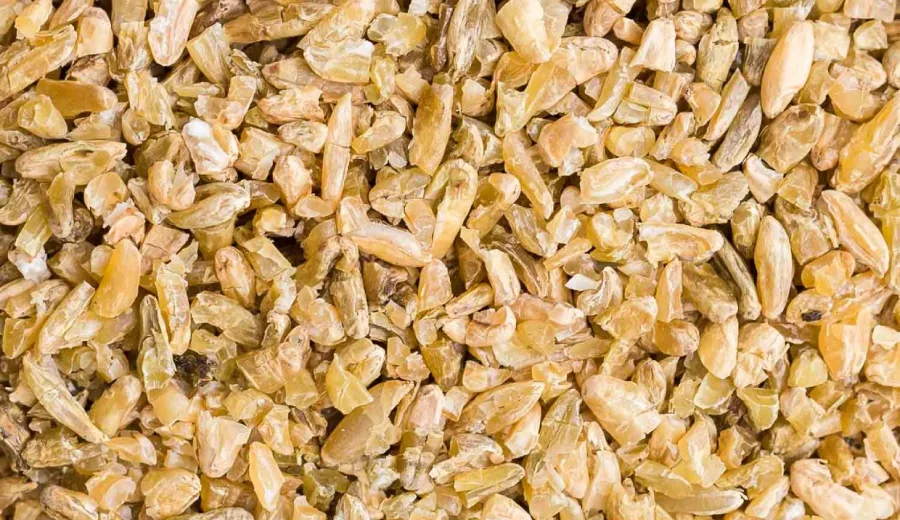
Find GFSI-certified freekeh suppliers on Nutrada offering whole grain, cracked, and flour forms from the Middle East and North America. Freekeh is roasted young durum wheat harvested at its green stage, used in ready meals, grain bowls, and plant-based formulations where roasted flavor and high fiber content are specification requirements.
| Value | Description |
| Botanical name | Triticum durum (durum wheat) |
| Available forms | Whole grain, cracked, flour |
| Origins | Palestine, Lebanon, Syria, Jordan, Egypt, Tunisia, United States (California) |
| Certifications | EU Organic, USDA Organic, Kosher, Fair Trade, BRC |
| Common applications | Grain bowls, pilafs, soups, ready meals, plant-based formulations, food service |
| Packaging | 25 kg / 50 kg multi-wall kraft paper bags |
| MOQ | 25-50 kg (bags) |
| Category | Grains Wholesale |
Freekeh is sold in three forms that require different handling and storage protocols.
| Form | What it means for procurement | Typical application |
| Whole grain | Kernels intact after roasting and threshing. Longer cooking time (30-45 minutes). Firm texture when cooked. | Grain bowls, pilafs, side dishes where texture retention is required |
| Cracked | Kernels broken into smaller pieces. Shorter cooking time (15-25 minutes). Higher surface area increases oxidation risk. | Soups, stews, quick-cook ready meals where shorter preparation time is required |
| Flour | Milled from roasted kernels. Moisture-sensitive. Gluten-present wheat flour with roasted flavor. | Baking, sauces, or blended flour applications requiring wheat allergen declaration |
Traditional fire-roasted freekeh produces darker kernels and stronger smoke flavor than steam-roasted or oven-roasted forms. Buyers must confirm roasting method with suppliers before committing to orders, as smoke intensity affects consumer acceptance in non-Middle Eastern markets.
Palestine, Lebanon, Syria, and Jordan are the primary traditional producers of freekeh, where fire-roasting methods over open flames remain standard practice. These origins hold cultural expertise in harvest timing and roasting that affects flavor consistency, but supply volatility from the region requires buyers to verify lead times before placing orders.
Egypt and Tunisia supply freekeh from durum wheat grown in irrigated zones, with processing facilities concentrated near coastal export hubs. The United States, specifically California, produces freekeh using mechanical roasting systems that deliver consistent color and moisture levels but less smoke intensity than traditional fire-roasted forms.
Suppliers from Levantine origins often hold Fair Trade certification, while California-origin suppliers more commonly hold USDA Organic and BRC Global Food Safety certifications.
Freekeh is a roasted grain that oxidizes when exposed to light or heat, reducing shelf life and intensifying rancid off-flavors. Suppliers ship whole and cracked forms in 25 kg or 50 kg multi-wall kraft paper bags with inner polyethylene liners.
Refrigerated storage is required after delivery to maintain optimal shelf life of one year from the roast date. Buyers must request the roast date on batch-specific CoAs before accepting delivery, as freekeh degrades faster than raw wheat.
Palestine, Lebanon, and California hold the deepest supply of EU Organic and USDA Organic certified freekeh. Levantine origins face longer lead times for dual-certified supply due to smaller organic farm size and regional certification infrastructure gaps. California-origin organic freekeh is available with both EU and USDA certification from farms that also process bulgur and wheat, allowing buyers to source multiple durum-based grains from a single certified supplier.
Freekeh for private label is packed in stand-up pouches, flat-bottom bags, or retail jars with transparent windows to show grain color. The MOQs for private label start higher than bulk orders due to custom printing and pouch tooling setup costs.
Buyers must confirm whether suppliers will print allergen declarations for wheat and gluten in the required languages before production begins, as freekeh contains wheat allergen and must be declared under EU and UK food information regulations.
Freekeh manufacturers are based in Palestine, Lebanon, Egypt, Tunisia, and California, where durum wheat is grown and roasted in facilities with wheat allergen control protocols.
Buyers sourcing freekeh must request batch-specific CoAs showing moisture content, roast date, and third-party mycotoxin testing results for aflatoxins, as young green wheat can carry field contamination that survives the roasting process.
Nutrada lists GFSI-certified freekeh suppliers from the Middle East and North America, covering whole grain, cracked, and flour forms across conventional and organic supply. All orders are placed directly with certified suppliers, with no intermediary.
Last updated: Apr 6, 2026

Find the right supplier for your food ingredients in under a minute with Nutrada. Nutrada - Sourcing made easy.