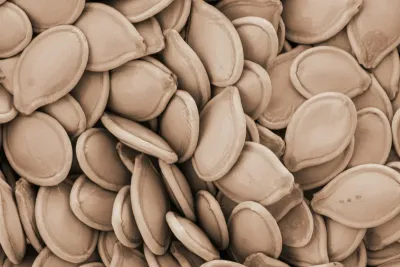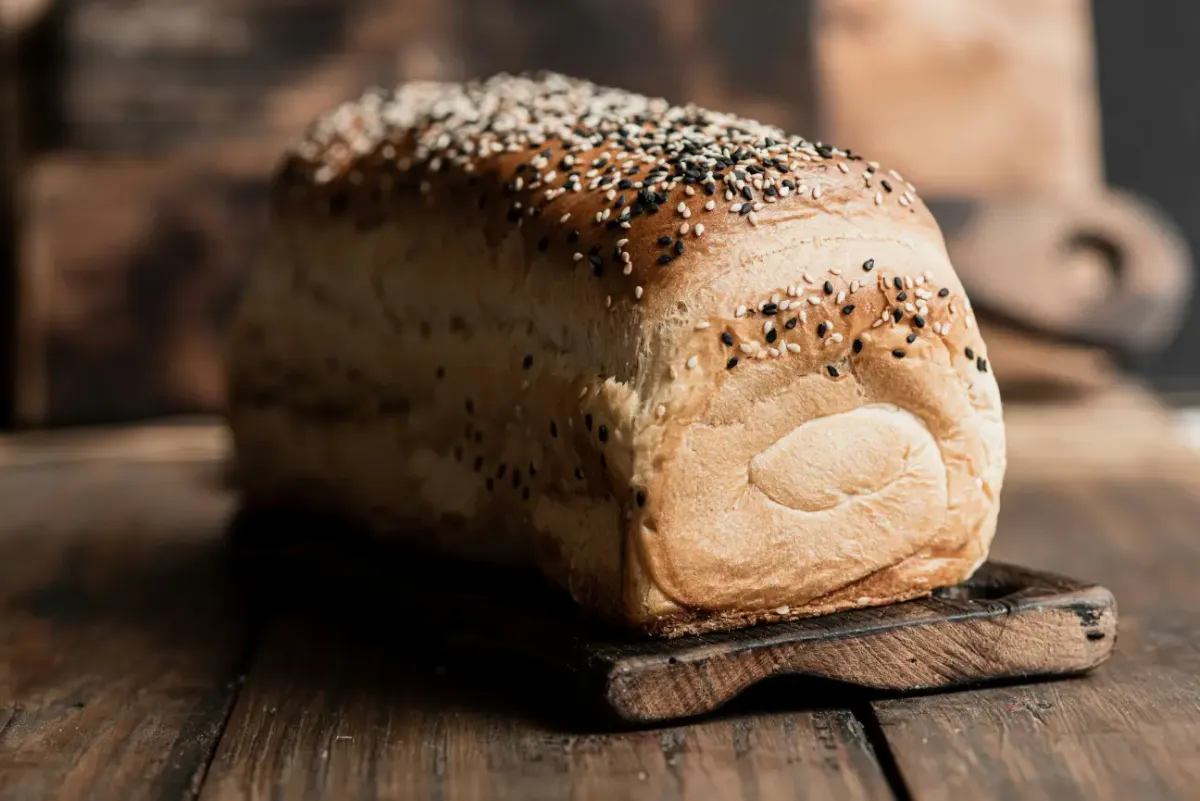
Hulled sesame seeds have their outer seed coat removed, producing a white, smooth seed with milder flavour and approximately 50–55% oil content. Unhulled (natural) sesame seeds retain their hull, giving a tan-to-brown colour, slightly bitter taste, and higher calcium content (975 mg/100g vs 60 mg/100g for hulled). For food manufacturers, the hull status determines application, specification requirements, and critically, contamination risk profiles.
In short:
Sesame seeds have been one of the most frequently flagged products in the EU RASFF (Rapid Alert System for Food and Feed). The two primary concerns are:
Ethylene oxide (EtO) contamination: Since 2020, hundreds of RASFF notifications have been issued for sesame seeds containing ethylene oxide residues, primarily from Indian origins. EtO is used as a fumigant to control Salmonella but is banned in the EU for food use.
Ethylene oxide residue must comply with EU MRLs under Regulation (EC) 396/2005, which range from 0.02 to 0.1 mg/kg depending on the commodity (e.g. 0.05 mg/kg for oilseeds, 0.02 mg/kg for cereals and pulses, 0.1 mg/kg for spices). For food additives, the limit is 0.1 mg/kg under Regulation (EU) 2022/1396. Request EtO testing on every batch from Indian, African, and Asian origins.
Salmonella: Sesame is a low-moisture product with a known Salmonella risk. The warm, humid conditions in major producing countries create contamination opportunities during harvesting, drying, and storage. EU regulations require absence of Salmonella in 25g (5 samples). Many buyers require additional Salmonella testing beyond the minimum regulatory requirement.
Allergen status: Sesame is a declared allergen under EU Regulation 1169/2011. Cross-contamination controls and accurate labelling are mandatory. Manufacturers using sesame in shared facilities must have validated allergen cleaning protocols.
| Parameter | Hulled Sesame | Unhulled (Natural) Sesame |
| Processing | Seed coat removed (mechanical or chemical) | Seed coat intact |
| Colour | White to cream | Tan, brown, or black depending on variety |
| Oil content | 48–55% | 46–52% |
| Calcium | ~60 mg/100g | ~975 mg/100g (mostly in hull) |
| Fibre | ~5% | ~12% |
| Flavour | Mild, neutral | Earthier, slightly bitter |
| Shelf life | Shorter (hull removal exposes oil to oxidation) | Longer |
| Primary applications | Tahini, bakery toppings, confectionery, sesame oil | Bakery decoration, health foods, whole-seed snack products |
| Typical price | 10–20% more expensive compared to unhulled | Baseline |
Hulling methods matter for natural-label positioning. Mechanical hulling uses friction or abrasion to remove the seed coat. Chemical hulling soaks seeds in a sodium hydroxide (NaOH/lye) solution to dissolve the hull, then rinses thoroughly. Mechanically hulled sesame has a premium price and is preferred by manufacturers making natural-label claims. Always confirm the hulling method with your supplier.
Mechanically hulled sesame has its outer seed coat removed by friction or abrasion rather than chemical soaking. It is preferred for natural-label products because no chemical processing aids (like sodium hydroxide) are used. Mechanically hulled seeds may retain slightly more colour variation compared to chemically hulled.
Two reasons: ethylene oxide residues from fumigation (banned in the EU but used in some origin countries) and Salmonella contamination. India, the world’s largest sesame exporter, has been the primary origin for EtO-related RASFF alerts since 2020.
Black sesame seeds are unhulled seeds from specific Sesamum indicum cultivars with naturally dark seed coats. They have a slightly different flavour profile (more intense, slightly bitter) and are primarily used in Asian bakery, confectionery, and as a garnish. Black sesame oil is a premium product in East Asian cuisine.
Properly stored sesame seeds (below 6% moisture, cool, dry conditions) maintain quality for 12–18 months. Due to high oil content, sesame is susceptible to oxidative rancidity, monitor peroxide value in stored inventory and use FIFO rotation.
Compare sesame seeds wholesalers across Europe on Nutrada. Filter by hull status, origin, organic certification, and GFSI standard.


Find the right supplier for your food ingredients in under a minute with Nutrada. Nutrada - Sourcing made easy.