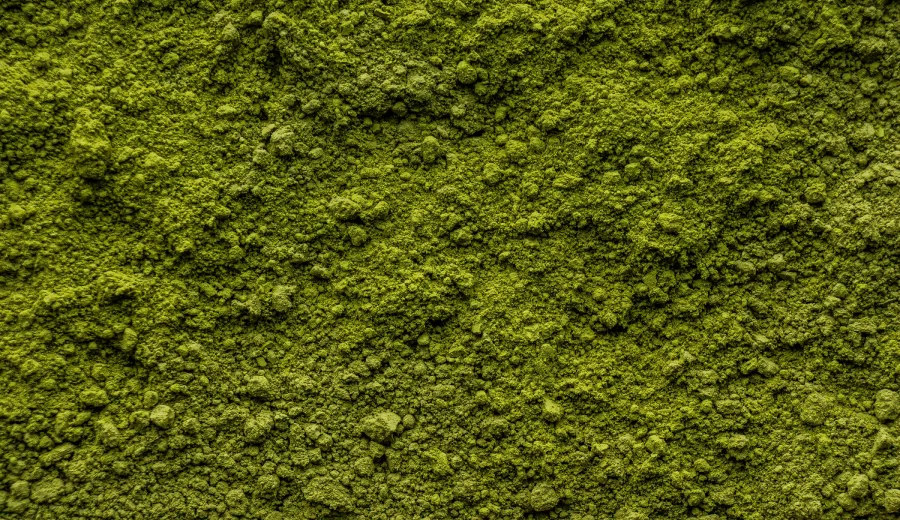
Food manufacturers sourcing wheatgrass for EU markets require organic certification and verified heavy metal testing. Nutrada lists GFSI-certified wheatgrass suppliers from USA, Europe, and New Zealand, filterable by form, grade, and MOQ.
| Field | Detail |
| Botanical name | Triticum aestivum |
| Available forms | Powder, juice powder, tablets, capsules |
| Origins | USA, Canada, New Zealand, Australia |
| Certifications | EU Organic, USDA NOP, GFSI (BRCGS, IFS, FSSC 22000) |
| Common applications | Dietary supplements, functional beverages, green blends |
| Packaging | 20-25kg bags |
| MOQ | 20kg-500kg |
| Category | Superfoods Wholesale |
| Form/Grade | What it means for procurement | Typical application |
| Juice powder | Concentrated nutrients, higher cost per kg | Premium supplements, functional shots |
| Spray-dried powder | Standard processing, shelf-stable | Capsules, powder blends |
| Freeze-dried powder | Preserved enzymes, premium pricing | High-end supplements |
USA and New Zealand dominate organic wheatgrass production, with Kansas and Utah leading American cultivation due to optimal soil conditions and established organic infrastructure. New Zealand suppliers offer year-round harvest cycles that complement Northern Hemisphere seasonality, reducing supply gaps for European buyers.
Canadian suppliers concentrate in prairie provinces where wheat farming expertise translates to controlled wheatgrass cultivation. EU organic imports from non-EU countries require additional documentation including import certificates and organic equivalency verification. Australia provides secondary supply during Northern Hemisphere winter months, though volumes remain limited compared to primary origins.
Wheatgrass powder is highly hygroscopic and degrades rapidly above 25 degrees Celsius, requiring storage below 15 degrees Celsius with moisture levels maintained under 8%. Standard packaging uses foil-lined bags from 1kg to 25kg, and a shelf life up to 24 months under proper conditions. Verify chlorophyll content on the CoA before ordering, as levels vary significantly between harvest batches and processing methods. Buyers should confirm heavy metal testing results, particularly lead and cadmium limits, as wheatgrass can concentrate soil contaminants during the rapid early growth phase.
USA and New Zealand hold the strongest organic certification depth for wheatgrass, with USDA NOP and NZ Organic both recognized under EU equivalency agreements. Canadian suppliers offer dual USDA NOP and COR (Canada Organic Regime) certification for buyers requiring multiple market access. Australian organic wheatgrass faces longer documentation timelines due to non-equivalency status requiring full EU Organic import procedures.
Consumer formats include 100g-500g pouches, capsules (60-180 count bottles), and single-serve sachets for functional beverages. Private label MOQs typically start at 1,000 units for powder formats and 2,500 units for capsule products. Specify the target chlorophyll content percentage before production begins, as this determines the powder color intensity consumers expect.
Most manufacturers operate in USA and New Zealand where organic wheat cultivation infrastructure supports dedicated wheatgrass farms with controlled growing environments. Request batch-specific CoAs showing chlorophyll content, heavy metal analysis, and microbiological parameters including E. coli and Salmonella testing. Spirulina Powder and Barleygrass Powder suppliers often cross-manufacture wheatgrass products using shared processing equipment. Nutrada lists GFSI-certified wheatgrass suppliers from USA, Canada, and New Zealand, covering powder and juice powder forms across conventional and organic supply. All orders are placed directly with certified suppliers, with no intermediary.
Last updated: Apr 6, 2026

Find the right supplier for your food ingredients in under a minute with Nutrada. Nutrada - Sourcing made easy.