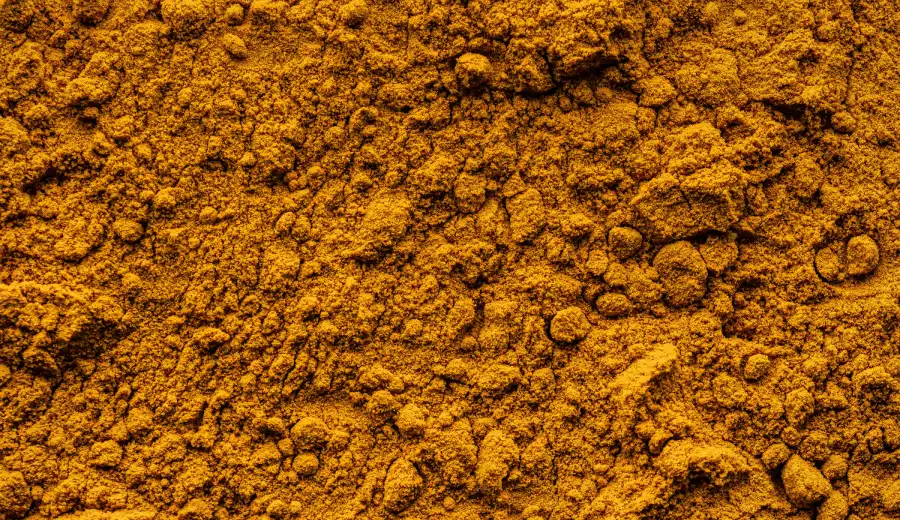
India, Indonesia, and Vietnam supply the majority of turmeric available through Nutrada. Suppliers on the platform offer conventional and organic lots, filterable by origin, certification, and MOQ.
| Value | Description |
| Botanical name | Curcuma longa |
| Available forms | NFC juice, concentrate, pulp, puree |
| Origins | India, Indonesia, Vietnam, Peru |
| Certifications | GFSI, EU Organic, USDA NOP, Kosher, Halal |
| Common applications | Functional beverages, natural colorant E100, curry bases, golden milk |
| Packaging | Aseptic bag-in-box, drums, IBC |
| MOQ | 500-5000 kg |
| Category | Juices Pulp Puree Wholesale |
| Form | What it means for procurement | Typical application |
| NFC juice | Direct-pressed from fresh rhizomes, cloudy appearance with natural fiber | Functional beverages, shots, wellness drinks |
| Juice concentrate | Reduced water content for transport efficiency, requires reconstitution | Beverage manufacturing, flavor bases |
| Pulp | Crushed rhizome matter, often frozen, preserves fiber structure | Sauces, marinades, curry bases |
| Puree | Smooth processed base, consistent texture and color | Ready meals, soups, golden milk powder |
According to the International Trade Centre, India produces approximately 80% of global turmeric with Andhra Pradesh (Kadapa and Guntur districts), Tamil Nadu, and Odisha states dominating production, where Erode in Tamil Nadu is known as the Turmeric City. Indonesian producers on Java and Sumatra islands focus on processing infrastructure, driven by domestic jamu traditional turmeric tonic demand. Vietnam has expanding cultivation in the central highland provinces of Dak Lak and Gia Lai, with Vietnamese turmeric increasingly exported as fresh juice extract during the November-February harvest window. Turmeric from India and Bangladesh faces increased EU border controls for pesticide residues including ethylene oxide under Regulation (EU) 2019/1793.
Curcumin content degrades under direct light exposure, requiring opaque packaging or amber containers for transport and storage. Aseptic bags maintain shelf life of 18-24 months at ambient temperature, while frozen blocks require cold chain logistics but preserve higher curcumin levels. Buyers should verify curcumin percentage on each batch certificate, as content can vary between juice concentrate (1-3%) and standardized extract formats (up to 95%).
India and Vietnam hold both EU Organic and USDA NOP certifications for turmeric juice processing. Indonesian suppliers focus primarily on EU Organic certification due to established European export channels. Supply availability can vary by harvest season, with organic lots typically requiring 3-6 month advance booking to secure consistent availability.
Consumer formats include bottled wellness shots, concentrated liquid supplements, and ready-to-drink golden milk beverages. Private label MOQs start at 10,000 units for bottled formats. Buyers must specify curcumin standardization level before production begins, as this determines both regulatory classification and bioavailability in the final product.
Processors concentrate in India's turmeric-growing states and Indonesia's Java island, where established juice extraction infrastructure supports both domestic and export markets. Request batch-specific certificates of analysis showing curcumin content, microbiological panels, and heavy metals testing, particularly lead levels which have triggered EU RASFF alerts for Indian turmeric products.
Nutrada lists GFSI-certified turmeric juice suppliers from India, Indonesia, and Vietnam, covering NFC juice, concentrate, and pulp across conventional and organic supply. All orders are placed directly with certified suppliers, with no intermediary.
Last updated: Apr 11, 2026
No similar suppliers available.

Find the right supplier for your food ingredients in under a minute with Nutrada. Nutrada - Sourcing made easy.