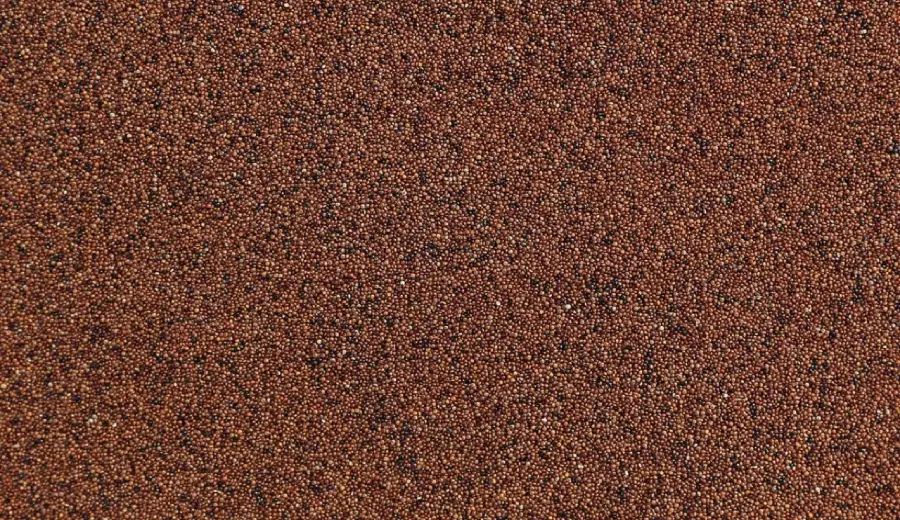
Find GFSI-certified canihua suppliers on Nutrada offering canihua whole grain, flour, and flakes from Peru and Bolivia. This niche Andean pseudocereal requires no washing like quinoa due to its naturally low saponin content.
| Field | Detail |
| Botanical name | Chenopodium pallidicaule |
| Available forms | Whole grain, flour, flakes |
| Origins | Peru (Puno region), Bolivia |
| Certifications | EU Organic, Gluten-free, Kosher, Halal, Fairtrade |
| Common applications | Gluten-free bakery, breakfast porridge, granola |
| Packaging | 5-25 kg bags |
| MOQ | 25kg |
| Category | Grains Wholesale |
| Form/Grade | What it means for procurement | Typical application |
| Whole grain | 1mm seeds, crunchy texture, 12-13% max moisture | Breakfast bowls, grain salads |
| Flour | Fine powder, gluten-free substitute | Bakery products, pancakes |
| Flakes | Rolled format, faster cooking | Cereals, granola mixes |
The seed size is significantly smaller than quinoa at approximately 1mm versus 2mm, creating a distinctive crunchy texture in finished products. For other ancient grains with similar applications, see our Quinoa suppliers offering another nutritious Andean grain option.
Peru dominates canihua supply from the Puno region around Lake Titicaca at 3,800-4,200m altitude, the same altiplano where quinoa grows but at higher elevations. Bolivia provides secondary supply from the La Paz region, producing approximately 458 metric tons annually according to CBI's grains market information. The crop requires extreme altitude and frost tolerance, limiting global production to indigenous Andean communities. Supply volumes remain extremely limited compared to quinoa, making long-term supplier relationships essential for consistent procurement.
Canihua requires storage below 15 degrees Celsius at maximum 12-13% moisture to maintain its 18-24 month shelf life. Standard packaging comes in 5-25 kg bags suited to small-scale production runs. Verify the supplier can provide batch-specific protein analysis as levels range from 15-19%, higher variability than most grains due to the altitude-dependent growing conditions and limited standardization of cultivation practices.
Peru holds the majority of EU Organic certified canihua supply from smallholder farms in the Puno region. Bolivian organic supply is available but limited in volume. Dual EU Organic and USDA NOP certification is uncommon due to the small-scale nature of production and the additional certification costs relative to farm size.
Retail formats include pouches for whole grain, jars for flour, and sachets for instant porridge blends. Private label MOQs start significantly higher than bulk due to specialized packaging requirements for this premium positioning. Define the target protein content before production starts as natural variation between 15-19% affects nutritional labeling accuracy.
Suppliers concentrate in Peru and Bolivia where traditional processing knowledge remains with indigenous communities. Request particle size analysis for flour grades, complete amino acid profiles, and anthocyanin content verification for color consistency. Nutrada lists GFSI-certified canihua suppliers from Peru and Bolivia, covering whole grain and flour across conventional and organic supply. All orders are placed directly with certified suppliers, with no intermediary.
Last updated: Apr 6, 2026

Find the right supplier for your food ingredients in under a minute with Nutrada. Nutrada - Sourcing made easy.