Chile and Southern Argentina account for the entirety of global Freeze-Dried maqui supply from wild Aristotelia chilensis populations. Find GFSI-certified maqui suppliers offering powder and whole berry forms on Nutrada, filterable by delphinidin content and MOQ.
| Value | Description |
| Botanical name | Aristotelia chilensis |
| Available forms | Freeze-dried powder, freeze-dried whole berries |
| Origins | Chile (Patagonia), Argentina (minor) |
| Certifications | GFSI (BRCGS, IFS, FSSC 22000), EU Organic, Kosher, Halal, Non-GMO |
| Common applications | Superfood supplements, functional beverages, anti-ageing cosmetics |
| Packaging | Nitrogen-flushed sealed bags |
| MOQ | 20kg |
| Category | Freeze-Dried Fruits Wholesale |
| Form | What it means for procurement | Typical application |
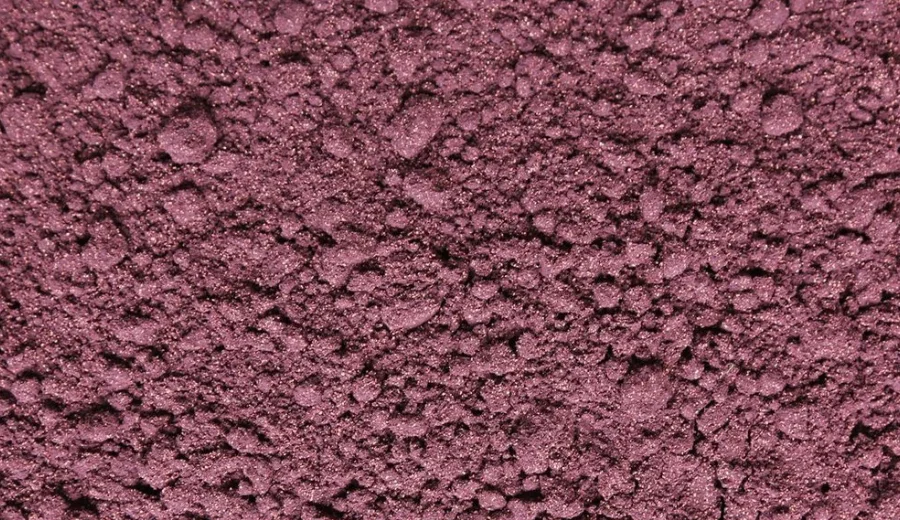
| Freeze-dried powder | Deep purple powder with moisture below 5%; requires delphinidin content verification on CoA | Superfood supplement formulations, functional beverage powders |
| Freeze-dried whole berries | Individual berries with intact structure; limited commercial availability | Trail mixes, artisanal food products |
Chile is the sole commercial source of Freeze-Dried maqui, with wild-harvested berries from Valdivian temperate forests by Mapuche communities between December and March. Annual yield reaches only approximately 80 tonnes due to remote forest access and challenging harvesting terrain in Los Lagos, Los Rios, and Araucania regions. Southern Argentina holds minor wild maqui populations adjacent to the Chilean range but contributes negligible commercial volumes. The EU Novel Food Catalogue classifies maqui as novel food for use in food products, requiring authorisation under Regulation 2015/2283 before incorporating into food categories beyond supplements.
Freeze-Dried maqui powder requires nitrogen-flushed storage to prevent oxidation of delphinidin compounds that drive its higher-value positioning above Freeze-Dried acai. Standard packaging uses sealed bags with moisture levels maintained below 5% to preserve the characteristic deep purple-black colour. Shelf life reaches 2-3 years with proper storage under nitrogen atmosphere at temperatures below 20 degrees Celsius. Buyers must verify delphinidin concentration and ORAC values on batch certificates before approving shipments.
Chile provides wild-harvested organic Freeze-Dried maqui with both EU Organic and USDA NOP certification available through certified collection cooperatives. Organic certification covers the wild-harvesting process and post-harvest handling rather than cultivation practices. Supply depth remains limited due to the inherently small harvest volumes from remote Patagonian collection areas.
Consumer packaging formats include retail pouches from 50g to 250g, capsule filling for supplement applications, and sachets for single-serve functional beverage mixes. MOQ requirements are higher than bulk powder due to the higher-value positioning and limited supply volumes. Buyers must establish target delphinidin content specifications before production commences as this drives the functional positioning claims.
Manufacturers concentrate in Santiago and central Chile with processing facilities designed for small-batch wild berry handling. Request batch-specific certificates of analysis covering delphinidin content, ORAC values, and heavy metals monitoring due to wild-harvest sourcing. Maqui often appears in Freeze-Dried aronia superfood blends targeting high-anthocyanin positioning.
Nutrada lists GFSI-certified Freeze-Dried maqui suppliers from Chilean Patagonia, covering powder and whole berry forms across conventional and organic supply. All orders are placed directly with certified suppliers, with no intermediary.
Last updated: Apr 10, 2026

Find the right supplier for your food ingredients in under a minute with Nutrada. Nutrada - Sourcing made easy.